World · India Bureau
Brazil's 200 million termite mounds reveal 4,000 years of insect engineering
Scientists have documented a vast network of ancient termite mounds across Brazil's landscape, with some structures dating back nearly 4,000 years. The discovery showcases an extraordinary example of ecosystem engineering by these industrious insects.
LSN India ·
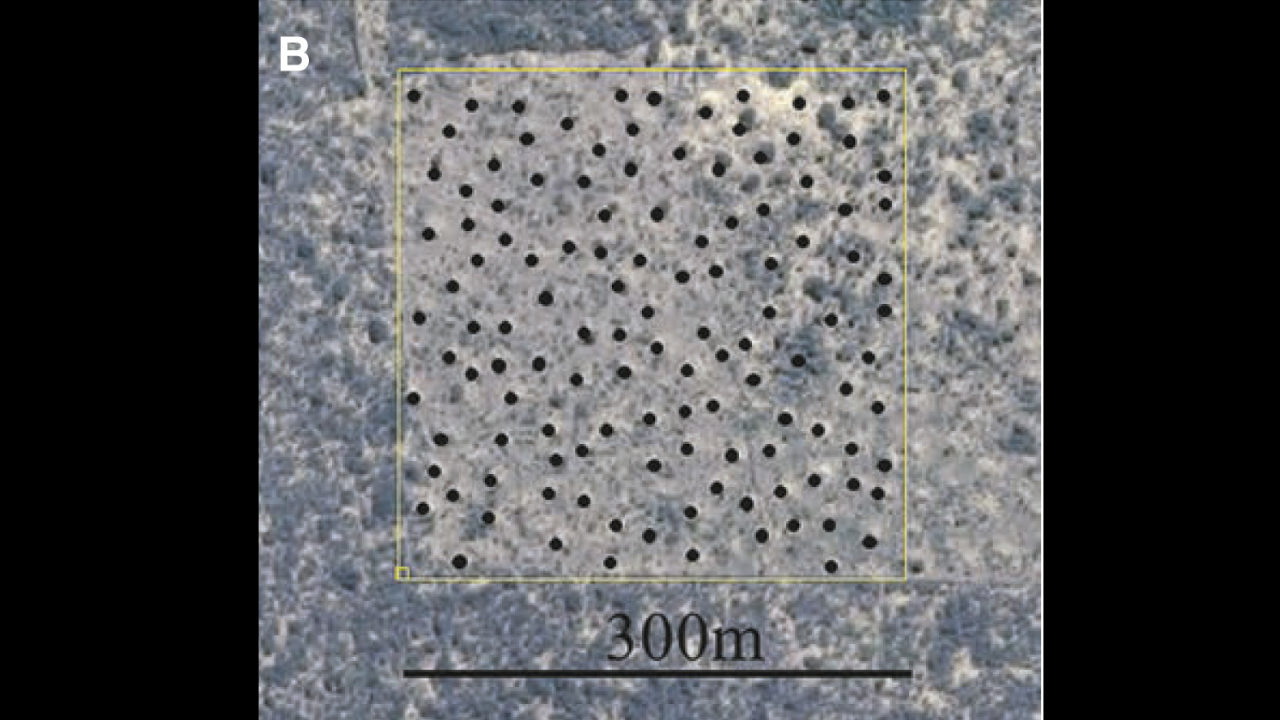
Millions of termite mounds dot the Brazilian landscape, each representing generations of underground construction by colonies of soil-dwelling termites. These cone-shaped structures, numbering around 200 million across the region, contain intricate tunnel systems that extend deep beneath the surface, creating one of nature's most impressive architectural feats.
Research indicates that the oldest mounds are nearly 4,000 years old, suggesting that termite populations have been continuously modifying the Brazilian ecosystem for millennia. The insects constructed these extensive underground networks to access food sources in seasonally dry forests, where moisture and nutrients become scarce during dry periods. Through countless generations, individual termite colonies contributed to the formation of these massive earthworks.
The mounds themselves display a remarkably uniform spacing pattern across the landscape, a phenomenon that reflects the organized nature of termite society and resource distribution. Each mound represents the accumulated soil excavated by termites as they burrowed deeper to reach nutrients and water-bearing layers beneath the surface. This process of sustained excavation over thousands of years has fundamentally shaped the region's soil composition and structure.
The discovery underscores the significant role that insects play in terrestrial ecosystem engineering, comparable to the impact of larger organisms on their environments. The termite mounds serve as evidence of how biological processes operating over geological timescales can reshape landscapes in profound ways.