World · India Bureau
Brazil's humpback whale population soars from near extinction to 35,000
Brazil's humpback whales have staged a remarkable recovery, with populations rebounding from approximately 2,000 to nearly 35,000 in recent decades. The resurgence follows decades of commercial whaling that had pushed the species to the brink of extinction, with international protections now enabling scientists to study their behaviour and migration patterns.
LSN India ·
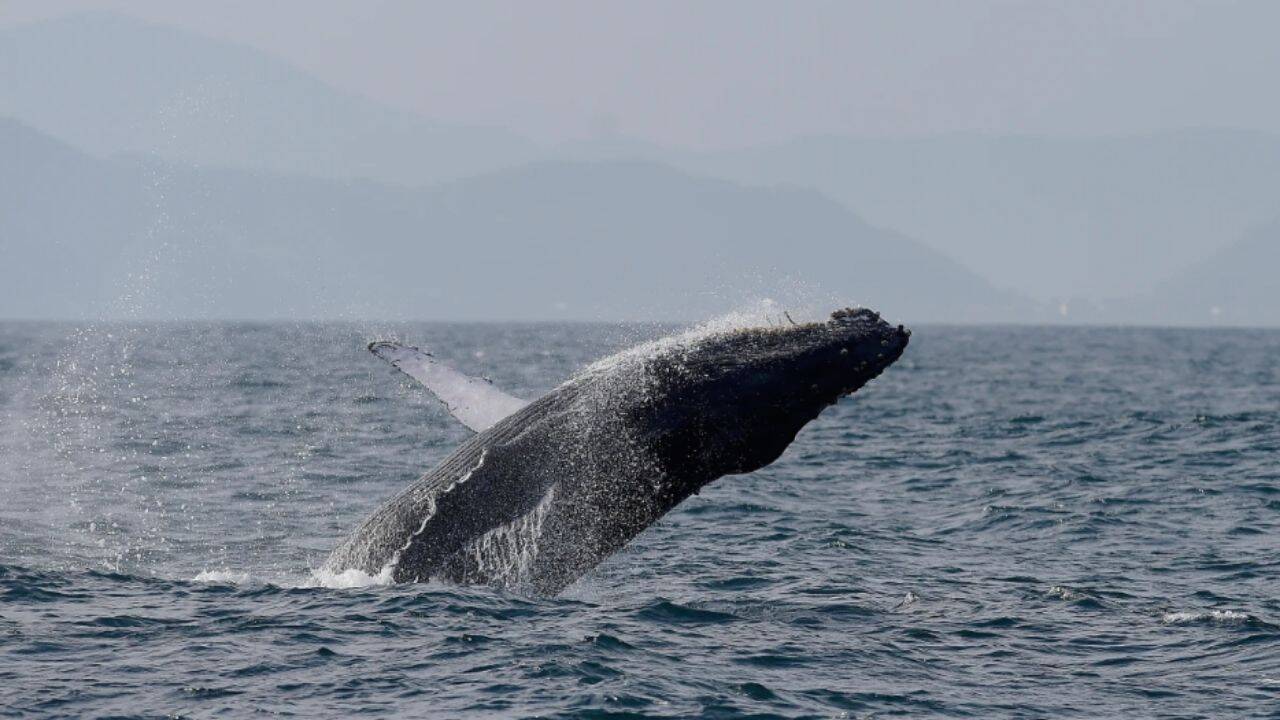
The recovery of Brazil's humpback whale population stands as one of the ocean's most significant conservation successes. Commercial whaling had decimated the species, reducing populations to around 2,000 individuals, but coordinated international protection measures and a global moratorium on commercial whaling have allowed the marine mammals to return in substantial numbers to Brazilian waters.
The turnaround reflects the effectiveness of global conservation efforts initiated decades ago. When international whaling bans took effect, humpback populations began a steady recovery, with Brazil's waters becoming increasingly populated as the animals returned to their traditional breeding and feeding grounds along the Atlantic coast.
Scientists are now leveraging the population recovery to deepen their understanding of humpback whale behaviour, migration patterns and family structures. Researchers are documenting how the whales navigate vast ocean distances and establish social bonds, while simultaneously monitoring emerging threats to their continued survival.
Despite the population surge, humpback whales face ongoing challenges in Brazilian waters. Entanglement in fishing nets, ship strikes and the effects of ocean warming from climate change remain significant concerns. Marine biologists are working to track these threats and develop strategies to mitigate risks as the population continues to grow and interact more frequently with human activities in coastal regions.