World · World News Bureau
Brazil's Lula tests Global South autonomy amid US-China tensions
Brazil's return of leftist President Luiz Inácio Lula da Silva to office presents a critical test for developing nations seeking independent foreign policy amid renewed great power competition. The outcome will reshape whether the Global South can chart its own course without facing economic retaliation from Washington or Beijing.
LSN World News ·
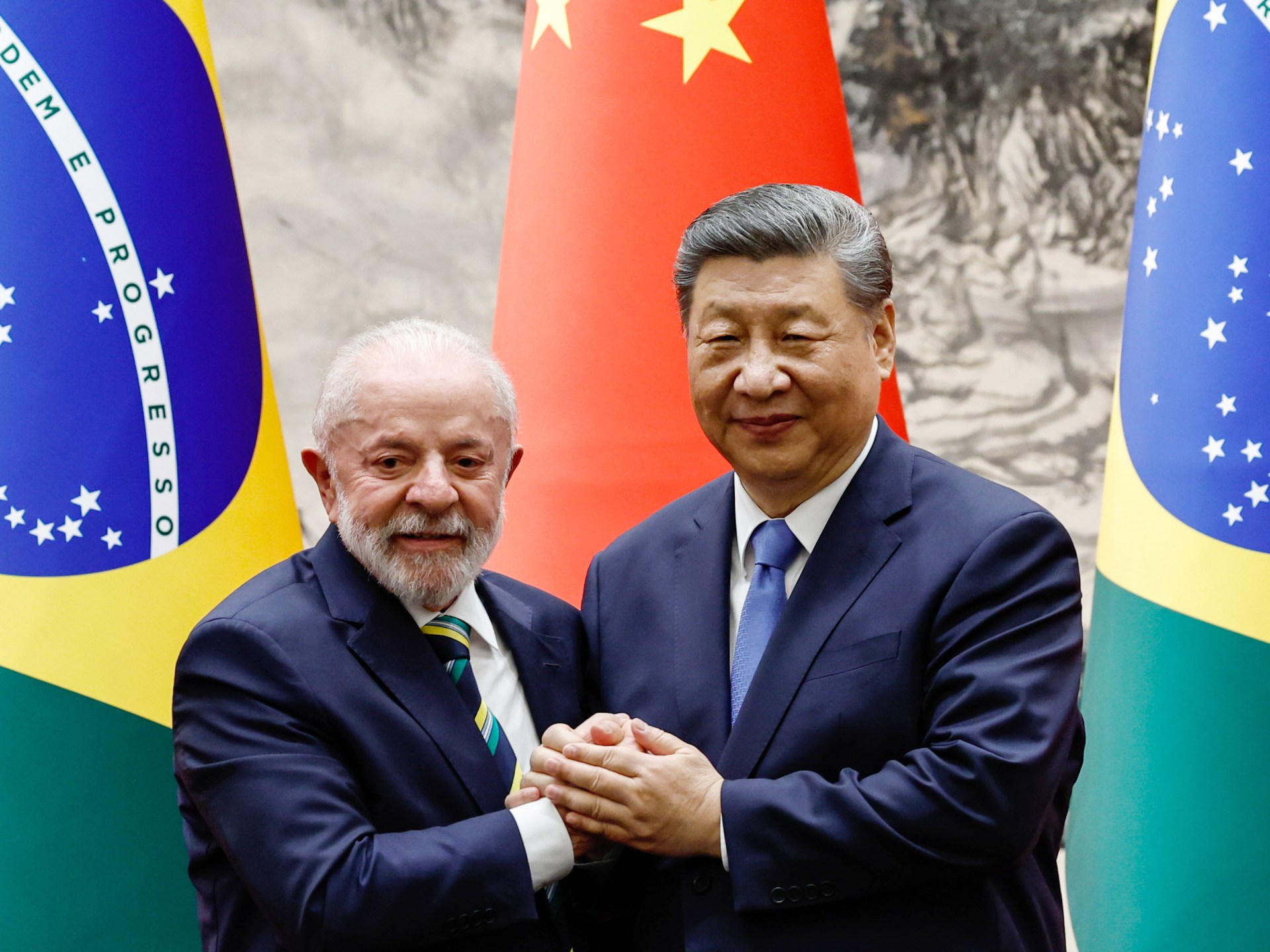
Lula's electoral victory signals renewed ambition from Brazil to pursue an independent foreign policy, but the path ahead remains fraught with geopolitical risks. The incoming administration has signaled intentions to distance itself from Washington's priorities, yet faces the prospect of economic pressure should it venture too far from American interests. Conversely, Beijing has positioned itself as an alternative partner for developing nations, though questions persist about whether Chinese investment and cooperation can genuinely offset US economic leverage.
The practical constraints facing Brazil illustrate the dilemma confronting much of the Global South. Trade dependencies, currency vulnerabilities, and institutional arrangements tilted toward Western preferences mean that assertions of autonomy carry tangible costs. The Trump administration has demonstrated willingness to use tariffs and other economic tools against nations it perceives as adversarial, raising the stakes for Brazilian policymakers seeking to balance independence with pragmatism.
China's role as a counterweight remains uncertain. While Beijing has deepened economic ties throughout Latin America and Asia, offering an alternative source of infrastructure investment and markets, these relationships have not entirely freed partners from external pressures. Some nations have found themselves caught between competing demands rather than genuinely liberated by diversification.
Lula's tenure will effectively demonstrate whether developing nations can sustainably pursue independent courses in an era of renewed superpower competition. The Brazilian leader's choices on trade agreements, geopolitical alignment, and domestic policy will provide a template—or cautionary tale—for other countries navigating similar pressures. Success or failure could reshape alignments across the Global South for years to come.