Politics · World News Bureau
Brazil's polarized electorate votes in closely contested presidential race
Brazilians cast ballots in a deeply divided election pitting left-wing former president Luiz Inácio Lula da Silva against right-wing incumbent Jair Bolsonaro. The closely fought contest will determine the direction of Latin America's largest economy amid persistent economic and social divisions.
LSN World News ·
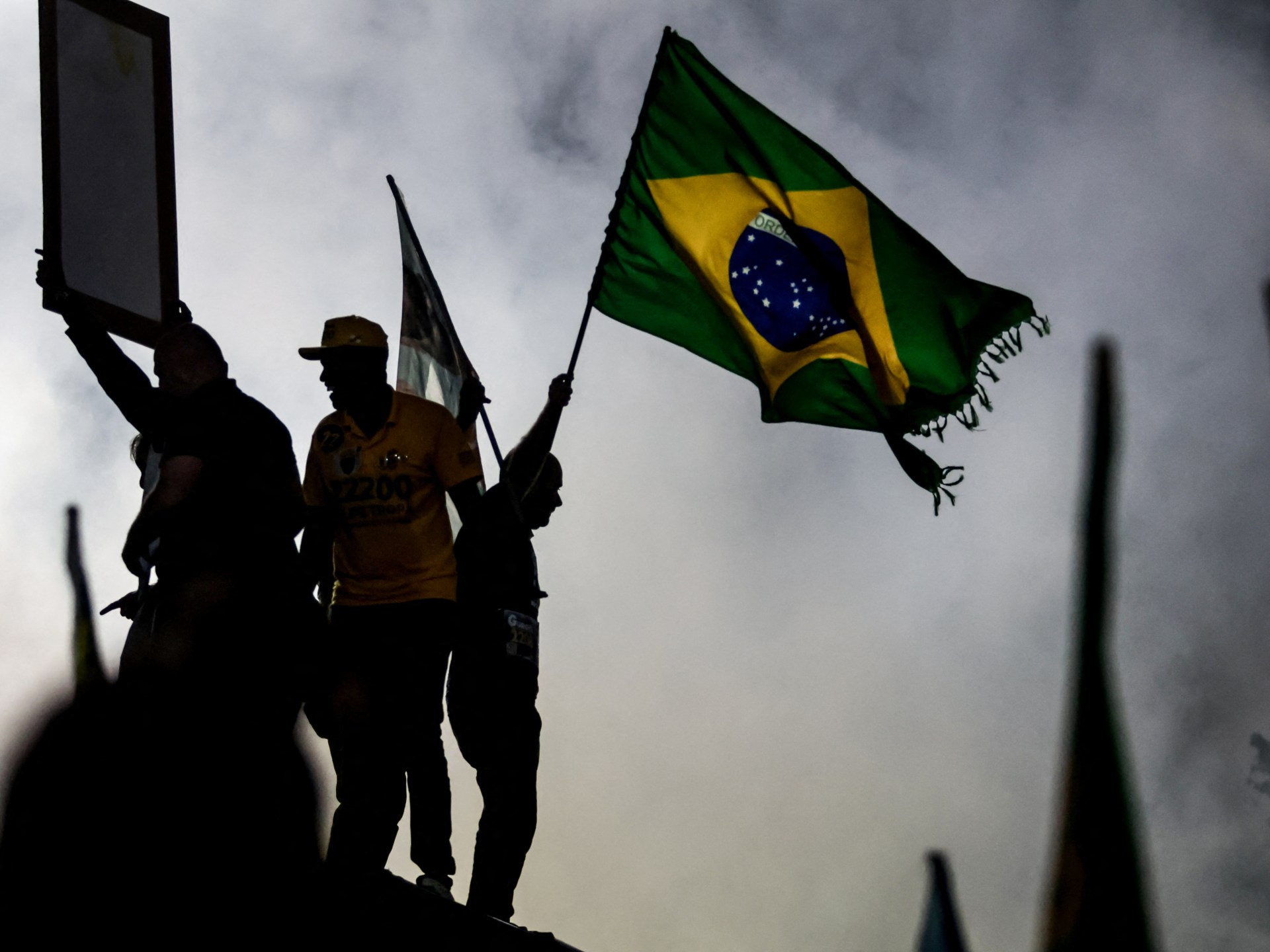
Brazil held a presidential election marked by sharp ideological divisions and high voter engagement, with exit polls and early results suggesting a competitive race between the two leading candidates. Former president Lula, seeking his fourth nonconsecutive term, positioned himself as a champion of social welfare and economic inclusion, while incumbent Bolsonaro campaigned on nationalist and conservative platforms.
The election reflected deep fractures in Brazilian society over economic policy, environmental protection, and social programs. Lula's previous administrations, spanning 2003 to 2010, were credited by supporters with reducing poverty and expanding social safety nets, though critics pointed to corruption scandals that led to his imprisonment and subsequent legal vindication.
Bolsonaro's tenure since 2018 saw controversial policies regarding environmental regulation in the Amazon, judicial independence, and public health responses. The incumbent maintained strong support among rural voters and evangelical Christians while facing opposition in urban centers over his handling of inflation and unemployment.
The election carried significance beyond Brazil's borders, with implications for regional trade relationships, environmental governance in the Amazon, and the broader political trajectory of South America. International observers monitored the conduct of voting and vote-counting procedures throughout the day.
With millions of ballots cast across the nation's 27 states and federal district, election authorities worked to tabulate results under intense public and international scrutiny, with final outcomes expected to clarify Brazil's political direction in coming years.