World · India Bureau
Brazilian capuchins shift to hunting when fruit supplies dwindle
A nearly four-year study of capuchin monkeys in Brazil reveals their remarkable dietary flexibility, with the primates increasingly hunting small animals when fruit becomes scarce. The findings offer insights into how environmental pressures shape feeding behaviour in primates.
LSN India ·
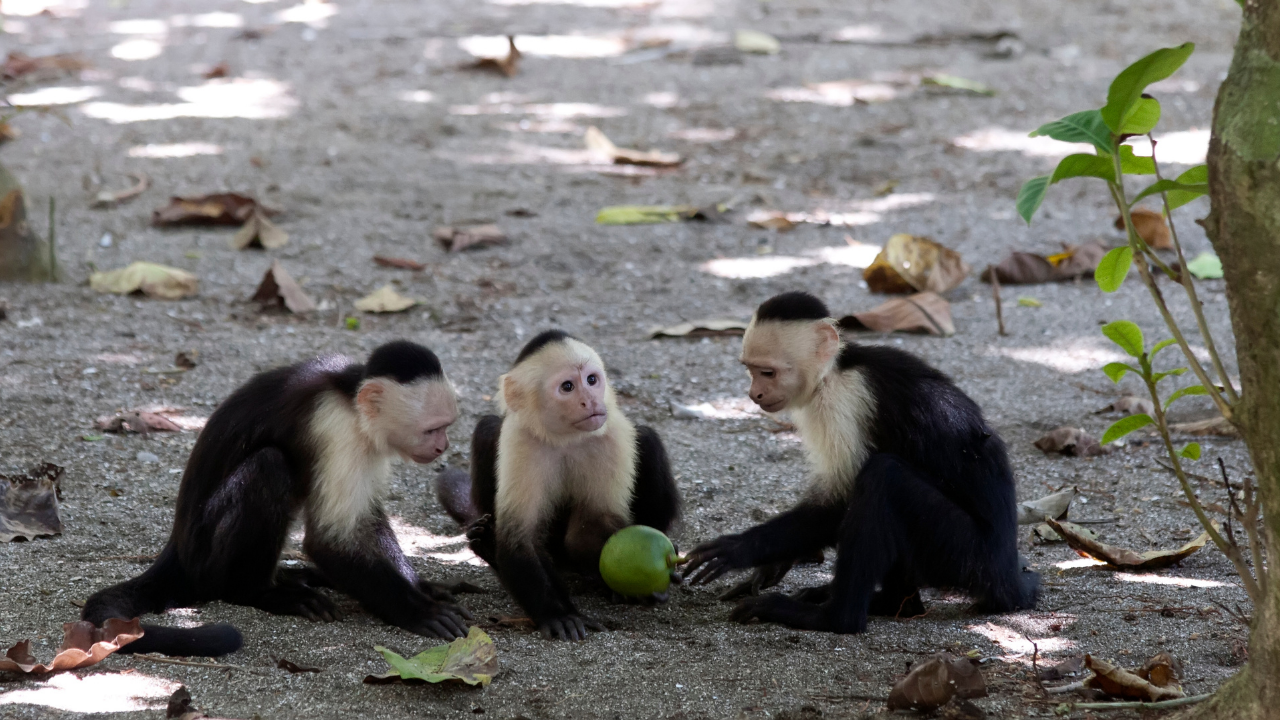
Researchers monitoring capuchin monkeys over 45 months have documented a striking pattern of dietary adaptation, with the animals turning to hunting vertebrates when their preferred fruit sources become limited. The study underscores the species' omnivorous capabilities and their responsiveness to fluctuating environmental conditions.
The research found notable differences in hunting behaviour across demographic groups. Adult males engaged in vertebrate hunting significantly more frequently than younger females, suggesting that age and sex play important roles in determining foraging strategies within capuchin communities.
When alternative food sources were available, the monkeys reduced their reliance on hunting, indicating that dietary choices are driven primarily by resource availability rather than innate preference. This flexible approach to nutrition demonstrates the species' capacity to adjust behaviour based on immediate environmental circumstances.
The findings carry broader implications for understanding primate evolution and dietary development. By examining how modern capuchins respond to resource scarcity, scientists gain valuable perspectives on the feeding behaviours that may have characterized early human ancestors navigating similar environmental constraints.