World · India Bureau
Brazilian fishers restore mangroves, revive ecosystem with 60 returning species
Community-led restoration efforts in Rio de Janeiro have successfully rehabilitated mangrove forests buried under industrial waste, attracting dozens of species back to the revitalized ecosystem. The initiative demonstrates how local stakeholders can drive environmental recovery in degraded coastal regions.
LSN India ·
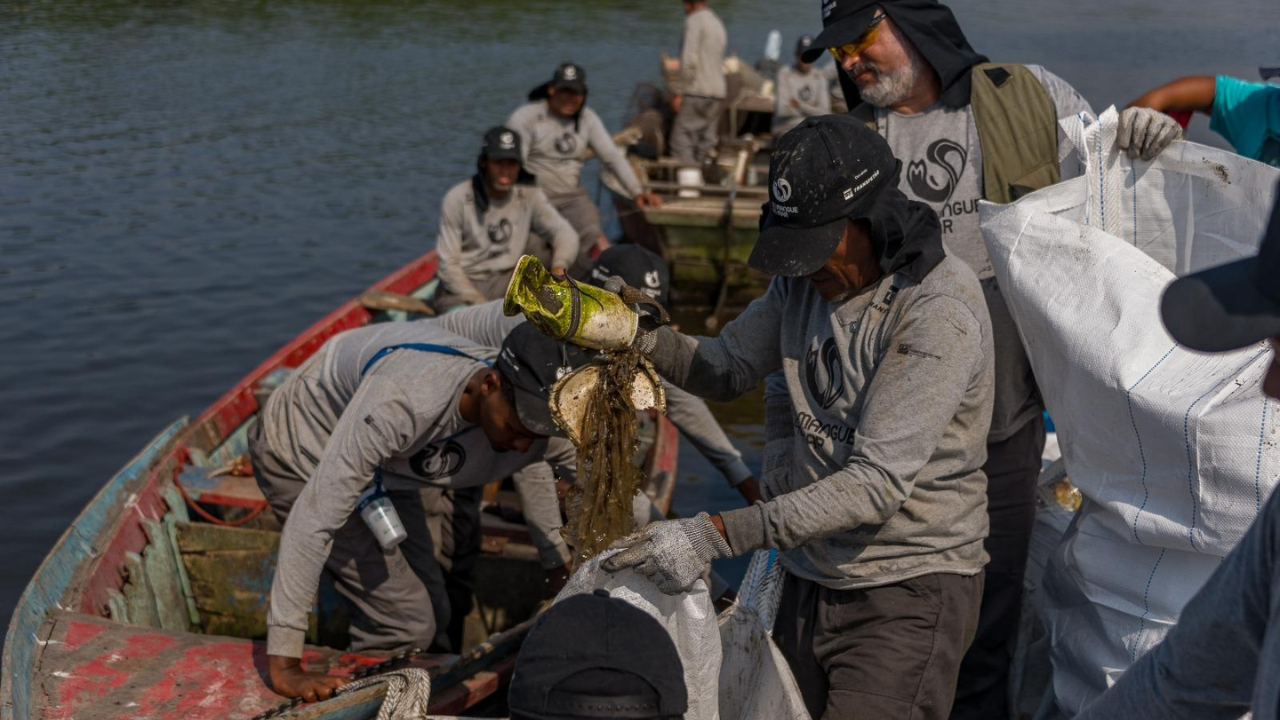
Mangrove forests in Rio de Janeiro that had been severely degraded by industrial and municipal waste have undergone a remarkable ecological recovery through restoration work led by local fishing communities. The marshlands, which had accumulated layers of debris and contamination over years, have been systematically cleaned and rehabilitated by residents whose livelihoods depend on the health of these critical ecosystems.
The restoration efforts have yielded tangible results, with approximately 60 species of wildlife returning to the mangrove areas. This resurgence includes fish, crustaceans, and bird species that had abandoned the polluted habitat, signaling the ecological restoration's success. The recovery of these species indicates that the mangrove ecosystem is gradually returning to functional health.
Mangroves play a crucial role as nurseries for marine life and serve as natural buffers against coastal erosion and storm surge. The restoration project highlights the importance of these ecosystems and the threats they face from industrial pollution and poor waste management in urban coastal areas. Local fishing communities' involvement in the rehabilitation process demonstrates their commitment to preserving their traditional environment and sustaining their resource base.
The initiative underscores the potential for community-based conservation approaches in addressing environmental degradation in developing coastal regions. By mobilizing local stakeholders who possess intimate knowledge of their environment, such projects can achieve meaningful ecological outcomes while supporting livelihood protection for vulnerable populations.