World · India Bureau
Brazilian rope bridges enable 15,000 wildlife crossings without roadkill
Eight innovative rope bridges installed across the Amazon have successfully facilitated thousands of animal passages while eliminating road fatalities. The initiative demonstrates a practical solution to wildlife conservation amid expanding infrastructure in Brazil's rainforest region.
LSN India ·
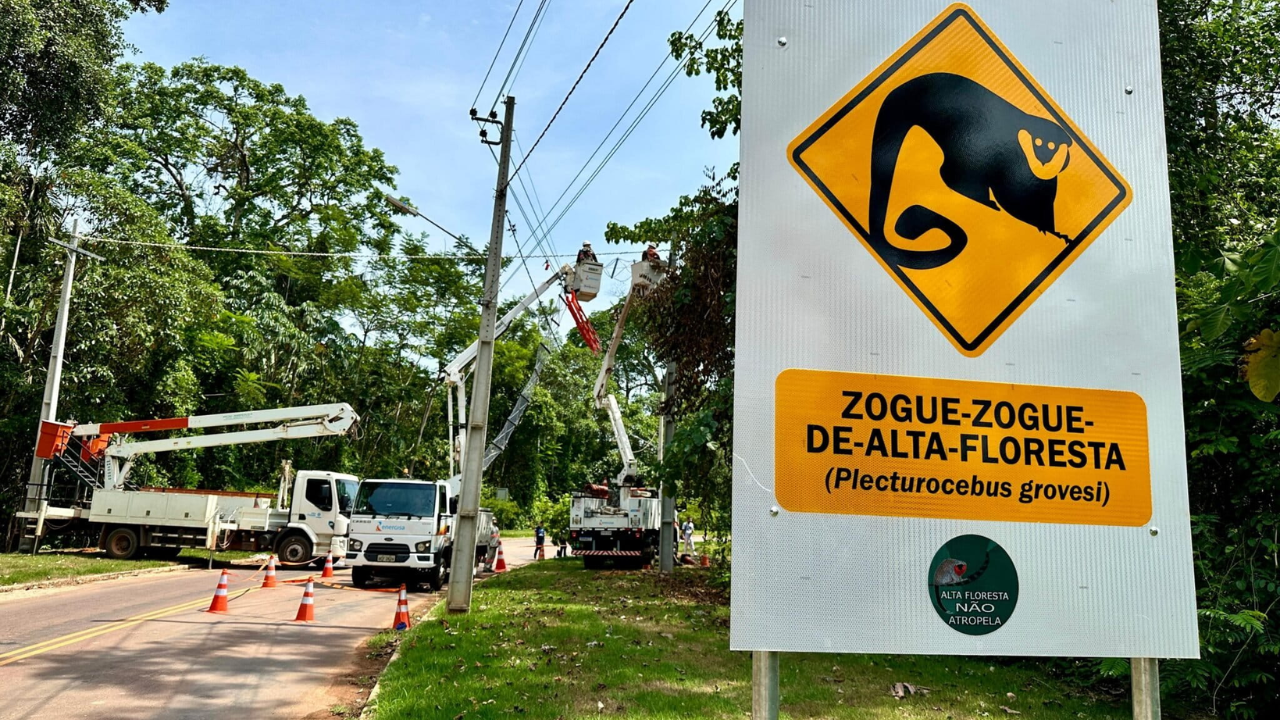
Brazilian conservation efforts have achieved a significant milestone with eight rope bridges spanning across the Amazon, enabling approximately 15,000 wildlife crossings without a single recorded roadkill incident. The structures, designed to connect fragmented forest habitats separated by roads and human development, represent an innovative approach to protecting endangered species while maintaining essential transportation corridors.
The rope bridges function as elevated pathways for arboreal and semi-arboreal animals, allowing creatures ranging from primates to sloths to traverse between forest sections safely. By providing these alternative routes, the installations reduce the pressure on wildlife to cross dangerous roadways, thereby minimizing collision risks with vehicles.
The project addresses a critical conservation challenge in the Amazon region, where expanding road networks have increasingly fragmented natural habitats. Wildlife corridors created by human infrastructure pose significant mortality risks for numerous species dependent on uninterrupted forest connectivity for feeding, breeding, and territorial movements.
The success of these eight bridges has drawn attention from environmental organizations and government agencies across South America, suggesting potential for similar projects in other biodiversity hotspots. The zero-roadkill achievement demonstrates that well-designed infrastructure can coexist with wildlife protection, offering a model for sustainable development in ecologically sensitive regions.