Technology · India Bureau
Breakthrough battery technology promises lighter, longer-lasting electric vehicles
Researchers have developed an advanced anode-free battery design that could revolutionize electric vehicle performance by enabling longer driving ranges without increasing weight. The innovation addresses longstanding challenges in lithium-ion battery efficiency and durability.
LSN India ·
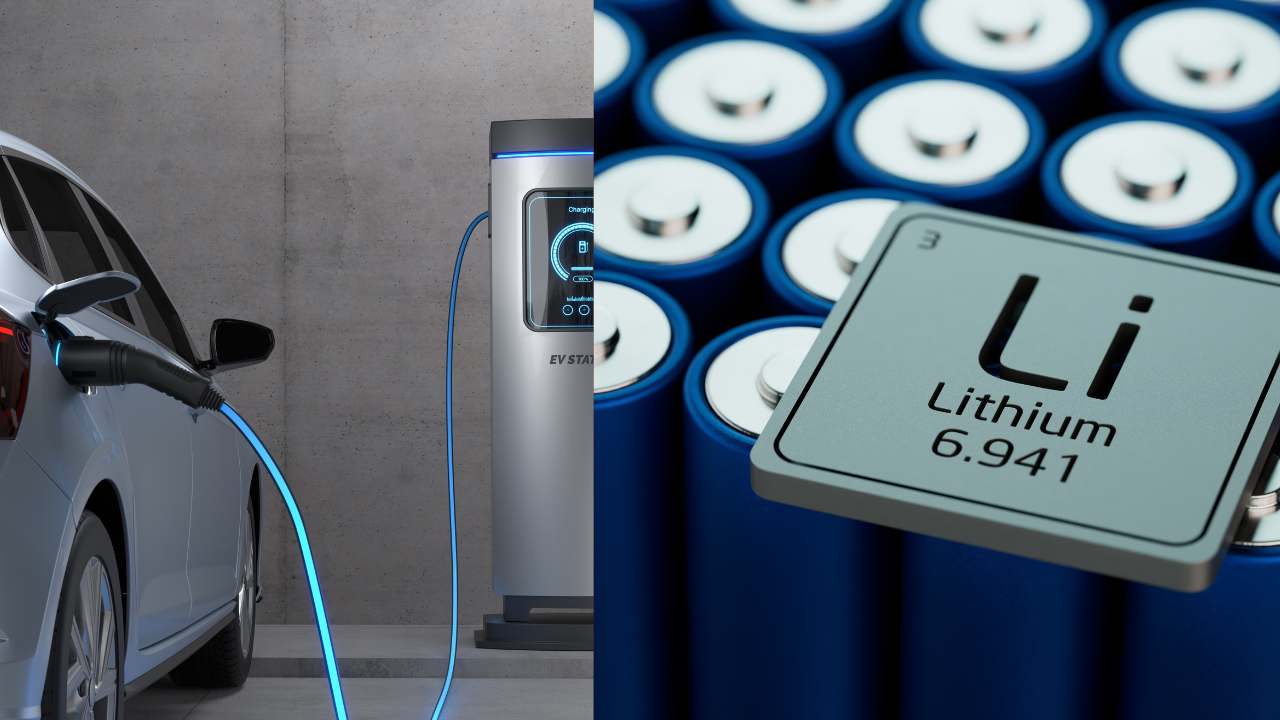
Scientists at the Korea Advanced Institute of Science and Technology have unveiled a new battery technology designed to overcome key limitations affecting electric vehicle adoption across Asia and beyond. The anode-free battery design focuses on optimizing lithium deposition processes, a critical factor in determining how efficiently energy is stored and released during charging and discharging cycles.
The breakthrough addresses a persistent technical problem known as dendrite formation—crystalline structures that accumulate on battery surfaces and degrade performance over time. By restructuring the copper surface used for lithium storage, researchers have significantly reduced dendrite buildup, extending battery lifespan while maintaining consistent performance.
The innovation incorporates a thin layer of MXene material applied to the battery's internal structure, which provides additional stability to the overall system. This approach allows the battery to operate more efficiently while maintaining its structural integrity through repeated charge cycles.
The development could have significant implications for India's rapidly expanding electric vehicle market, where concerns about driving range and battery weight have influenced consumer adoption rates. Lighter, more durable batteries would enable vehicles to travel farther on a single charge, potentially addressing one of the primary barriers to widespread EV acceptance in the region.
Further testing and commercial development of the technology are expected in coming months as researchers work toward practical applications in next-generation electric vehicles.