Business · India Bureau
BRICS expansion raises questions on tangible member benefits
As BRICS grows in economic clout, critics question whether the grouping is delivering concrete gains for its members. Former Finance Minister P. Chidambaram's recent remarks have reignited the debate on the bloc's effectiveness.
LSN India ·
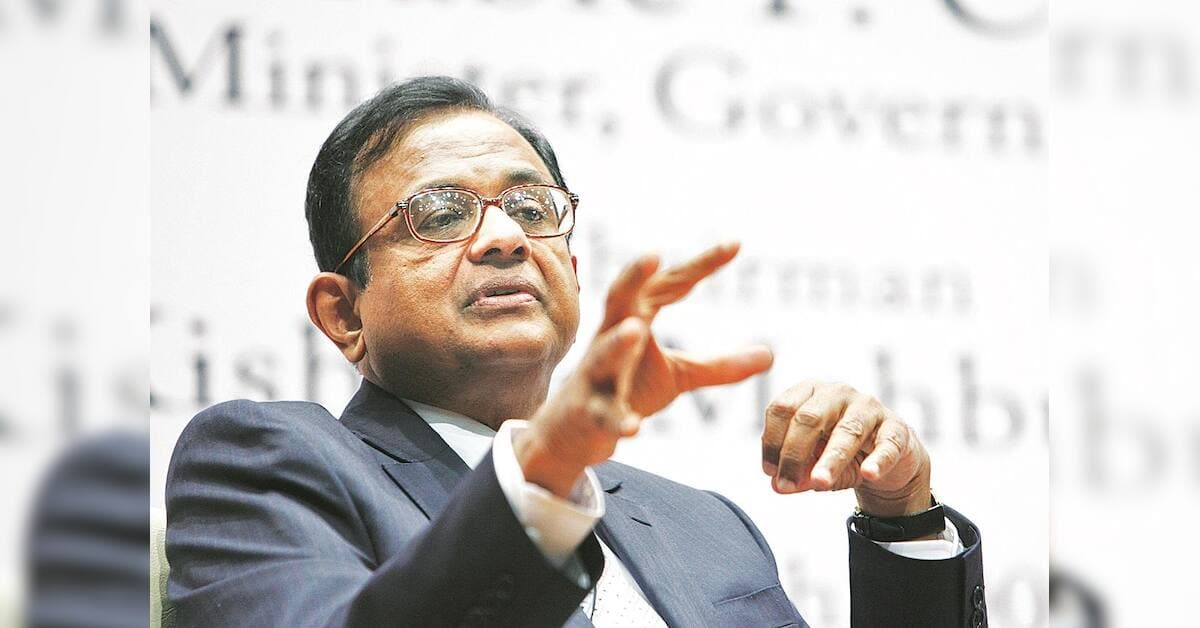
The BRICS grouping has undoubtedly expanded its economic footprint in recent years, but questions persist about whether member nations are realizing substantive benefits from their participation. Senior economist P. Chidambaram has articulated concerns shared by many observers about the gap between BRICS' collective potential and actual deliverables for individual members.
While the five-nation bloc—comprising Brazil, Russia, India, China, and South Africa—represents significant economic weight globally, critics point out that joint initiatives have often fallen short of expectations. Trade integration among members remains relatively modest, and proposed development mechanisms have struggled to gain operational momentum despite years of negotiation.
The expansion of BRICS membership, while enhancing its geopolitical profile, has complicated consensus-building on substantive economic cooperation. Divergent national interests, particularly between larger economies and smaller members, have constrained the bloc's ability to launch transformative projects that would demonstrably improve living standards or economic outcomes for participating nations.
India's position within BRICS reflects this broader tension. As a major economy with development priorities, New Delhi must weigh the strategic value of bloc participation against the limited tangible returns visible to date. The questions being raised suggest that BRICS members will need to sharpen their focus on delivery if the grouping is to justify continued investment of political capital.