Business · India Bureau
BRICS labour schemes could boost cross-border hiring, skills matching
Industry observers say emerging labour initiatives from BRICS nations targeting skills forecasting and worker mobility could create fresh opportunities for cross-border employment and remote work arrangements across member economies.
LSN India ·
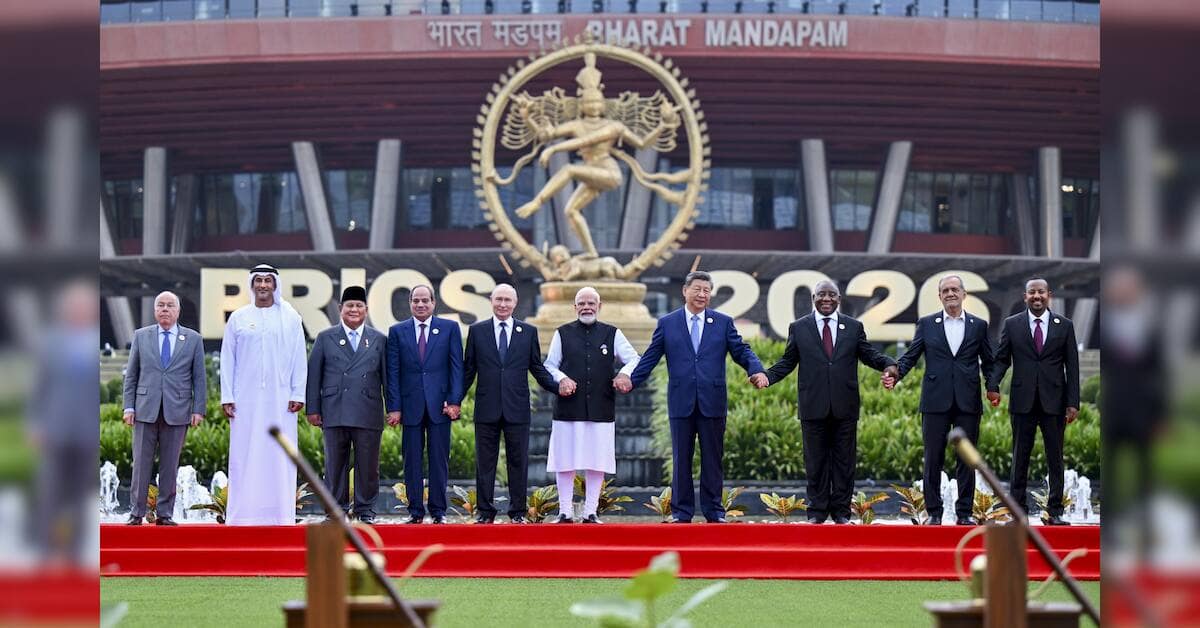
Proposed labour frameworks being developed by BRICS member states are positioned to address persistent mismatches between available skills and employer demand, according to industry analysts tracking the bloc's policy evolution. The initiatives focus on establishing mechanisms for skills forecasting, standardizing remote employment practices, and facilitating greater worker mobility across borders—areas viewed as critical gaps in current regional employment ecosystems.
Skills alignment has emerged as a primary concern for employers across South and Southeast Asia, where rapid economic transformation has outpaced workforce development in many sectors. By creating predictive frameworks for skill requirements, BRICS nations could enable workers and educational institutions to better anticipate labour market needs, potentially reducing unemployment in specialized fields while addressing talent shortages affecting major industries.
The proposed remote work standards are expected to clarify regulatory and contractual frameworks that currently vary significantly between BRICS members. Harmonizing these standards could lower administrative barriers for companies seeking to hire talent across borders and provide workers with clearer protections and pathways to international employment opportunities.
Industry representatives suggest the initiatives could particularly benefit India and other nations with large working-age populations seeking employment abroad. However, successful implementation will depend on coordinated policy adoption among BRICS members and alignment with existing bilateral labour agreements and visa frameworks.