Politics · Singapore Bureau
BRICS Nations Chart Deeper Economic Ties Amid Global Shifts
China, Russia and India are intensifying efforts to strengthen economic cooperation within the BRICS bloc, which collectively accounts for two-fifths of global gross domestic product. The move underscores the grouping's growing influence in the international economic landscape.
LSN Singapore ·
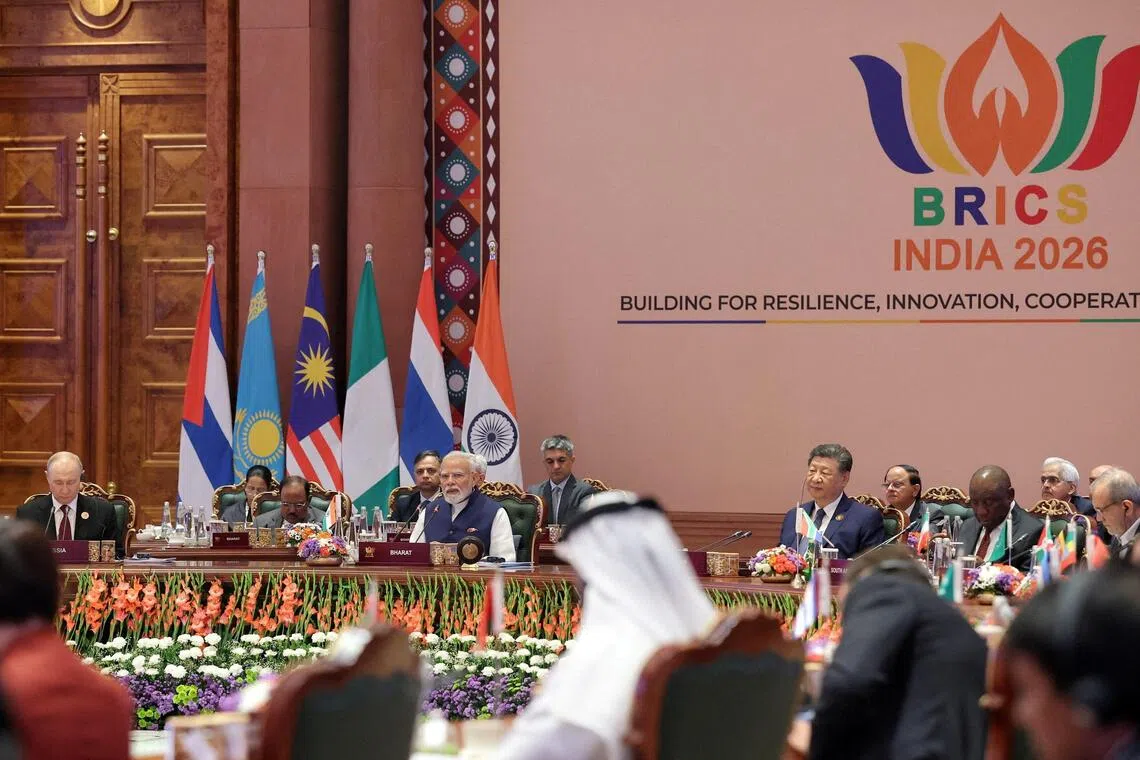
The three major economies are prioritising deepened economic integration as BRICS seeks to expand its role in global affairs. Indian Prime Minister Narendra Modi has highlighted the bloc's substantial economic weight, noting that member nations represent approximately 40 per cent of worldwide GDP.
The emphasis on economic cooperation reflects BRICS' strategy to establish alternative frameworks for trade and investment that can operate alongside traditional Western-dominated institutions. The grouping has increasingly positioned itself as a counterweight to existing global economic structures, particularly as geopolitical tensions reshape international relations.
India's leadership on the economic front comes as the nation continues to leverage its position within BRICS to advance regional interests and strengthen ties with fellow members. The focus on cooperation addresses shared concerns about economic sovereignty and the development priorities of emerging markets.
For Singapore and the broader Southeast Asian region, BRICS' economic initiatives carry implications for regional trade flows and investment patterns. As the bloc deepens integration, regional economies will need to monitor shifts in economic partnerships and potential opportunities for collaboration with BRICS members.