Technology · India Bureau
BRICS nations commit to ethical AI in education, boost student mobility
BRICS members have adopted a New Delhi Declaration prioritizing responsible artificial intelligence use in academic settings while advancing cross-border educational cooperation. The framework seeks to enhance student and professional mobility across member nations through mutual recognition of qualifications.
LSN India ·
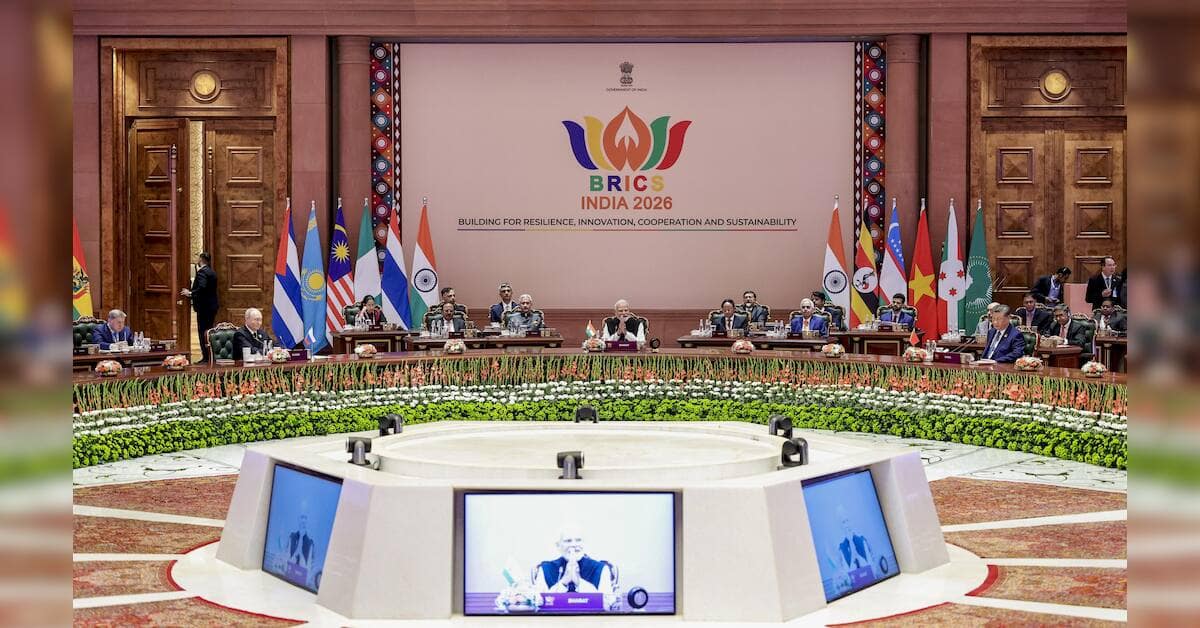
The BRICS grouping has outlined a comprehensive approach to educational advancement through its New Delhi Declaration, establishing guidelines for the safe and ethical deployment of artificial intelligence in academic institutions. The declaration addresses growing concerns about technology integration in education while setting out concrete measures to facilitate greater collaboration among member nations.
At the core of the initiative is a push for mutual recognition of academic qualifications across BRICS countries—Brazil, Russia, India, China, and South Africa. This reciprocal framework is designed to enable seamless student and professional mobility, allowing graduates from one member nation to pursue further studies or employment opportunities in others without facing credential barriers.
The declaration also emphasizes strengthening institutional partnerships between universities across BRICS nations and expanding scholarship opportunities to support student exchange and research collaboration. These measures aim to create a more integrated educational ecosystem that facilitates knowledge-sharing and capacity-building among member countries.
The emphasis on responsible AI use reflects broader international discussions on technology governance in education. The framework seeks to balance innovation with ethical considerations, ensuring that emerging technologies enhance learning outcomes while protecting student data and maintaining academic integrity across BRICS institutions.