World · India Bureau
BRICS nations oppose EU carbon tax as discriminatory trade measure
The BRICS bloc has criticized the European Union's carbon border adjustment mechanism as a unilateral and discriminatory measure that could unfairly burden developing economies. The grouping warned the policy poses risks to key industrial sectors including steel, cement, fertilizers and aluminium.
LSN India ·
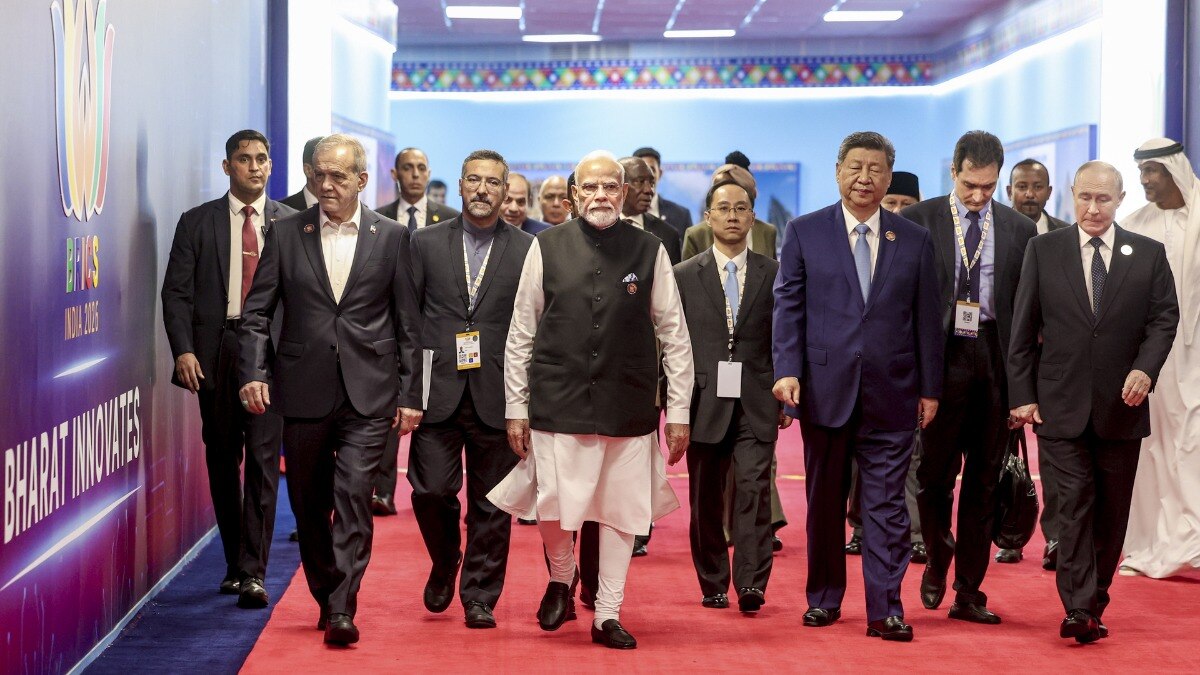
BRICS member nations have taken a unified stance against what they characterise as protectionist trade measures linked to carbon pricing, signalling growing resistance from developing economies to climate policies they view as inequitable.
The coalition has specifically targeted the Carbon Border Adjustment Mechanism (CBAM), the EU's flagship policy designed to prevent carbon leakage by imposing tariffs on imports from countries with weaker climate standards. BRICS countries argue the mechanism is unilateral in design and discriminatory in application, creating unfair competitive disadvantages for developing nations.
According to the grouping's position, CBAM and similar measures threaten to disproportionately impact developing economies that rely heavily on carbon-intensive industries. Sectors including steel production, cement manufacturing, fertilizer production and aluminium smelting—key pillars of growth for many emerging markets—face heightened exposure to such trade barriers.
The BRICS stance reflects broader tensions between developed and developing nations over climate responsibility and the pace of economic transition. While wealthy countries frame carbon border mechanisms as necessary tools to meet climate goals, emerging economies argue such unilateral measures constitute a form of green protectionism that ignores historical responsibility for emissions and development disparities.