Business · India Bureau
BRICS nations pledge unified health cooperation, disease surveillance push
BRICS leaders have outlined a coordinated approach to strengthen health security across member nations, with emphasis on bolstering disease surveillance systems and domestic medical manufacturing capabilities. The commitment, detailed in the New Delhi Declaration, seeks to build resilience against future health crises while improving access to affordable healthcare.
LSN India ·
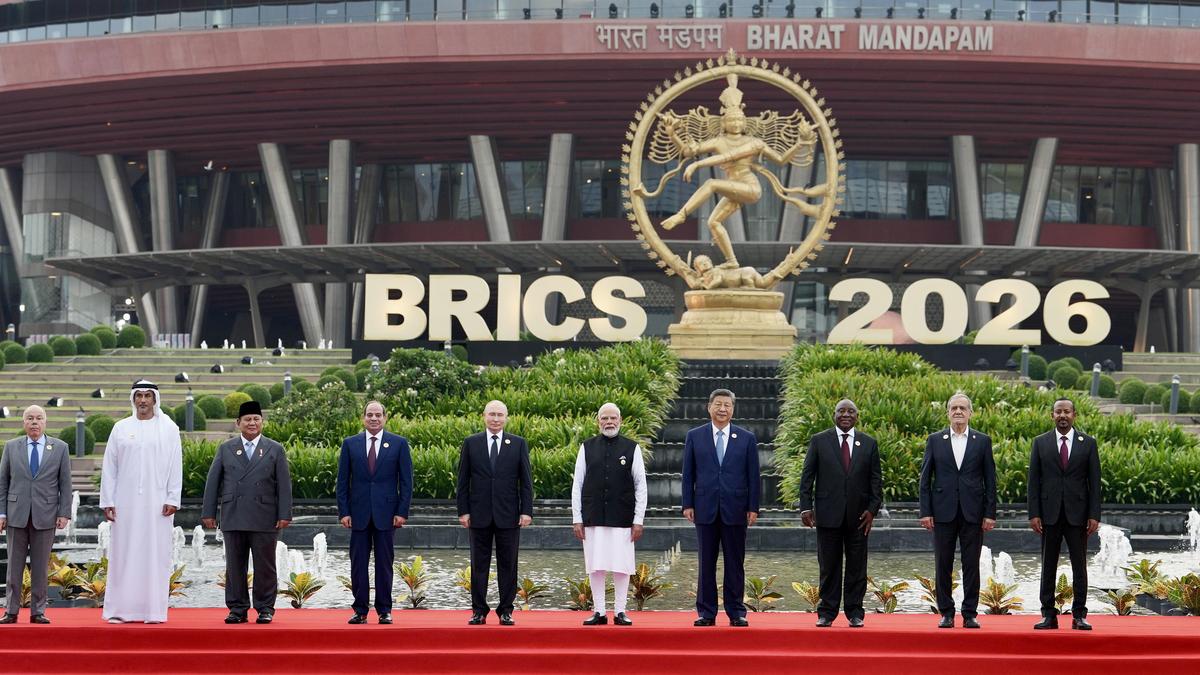
BRICS member states have committed to deepening cooperation on health security and pandemic preparedness through enhanced disease surveillance mechanisms and strengthened regulation of medical products. The New Delhi Declaration, adopted by the bloc's leadership, underscores the strategic importance of fortifying health infrastructure to manage emerging health threats more effectively across the region.
The declaration prioritises building robust local manufacturing capacity for medicines, vaccines, diagnostics and therapeutic products. This focus on domestic production aims to reduce dependency on global supply chains and ensure member nations can respond swiftly to health emergencies with timely and affordable solutions for their populations.
A key pillar of the agreement involves establishing stronger coordination frameworks for disease monitoring and pharmaceutical regulation among member states. Such mechanisms are designed to facilitate rapid information sharing and standardised protocols that enable faster detection and response to disease outbreaks before they escalate into major public health crises.
The statement reflects growing recognition within BRICS that equitable access to healthcare services and medical products remains uneven across developing economies. By pooling resources and expertise, member nations aim to ensure their citizens benefit from affordable medicines and vaccines while building self-sufficiency in critical health sectors.
The commitment represents a broader push by BRICS to reduce healthcare disparities and enhance collective resilience in the post-pandemic era, positioning the bloc as a coordinated voice in global health governance discussions.