World · India Bureau
BRICS nations push for stronger, fairer critical mineral supply chains
The BRICS bloc has called for diversified and sustainable critical mineral supply chains as global demand for clean-energy materials surges. The New Delhi Declaration emphasises benefit-sharing and value addition in resource-rich countries.
LSN India ·
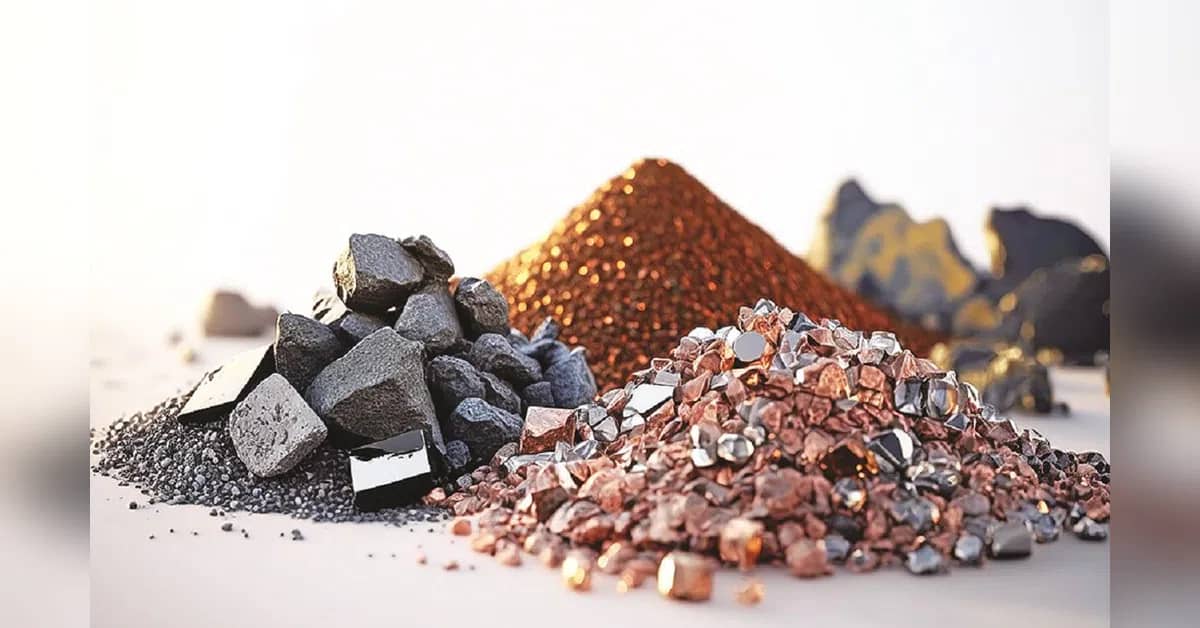
BRICS member nations have joined forces to establish more resilient critical mineral supply chains amid rising global demand for materials essential to clean energy transition. The New Delhi Declaration, adopted by the bloc, calls for supply chains that are both diversified and environmentally sustainable, addressing concerns that existing arrangements concentrate production risks and economic benefits in a limited number of countries.
The declaration underscores the importance of benefit-sharing mechanisms and value addition in countries rich in critical mineral resources. This approach aims to ensure that resource-rich nations—including several BRICS members—capture greater economic value from their mineral wealth rather than simply exporting raw materials to developed economies.
The push comes as the world's energy transition accelerates demand for minerals such as lithium, cobalt, nickel, and rare earths, used in batteries, renewable energy systems, and electronic components. Current supply chains remain vulnerable to concentration risks and geopolitical tensions, prompting calls from developing nations for greater equity in resource extraction and processing.
The BRICS initiative reflects broader efforts among developing nations to reshape global commodity markets and assert greater control over their natural resources. The declaration signals the bloc's commitment to ensuring that growth in the critical minerals sector benefits not just consuming nations but also the countries where these materials originate.