World · India Bureau
Bright colours in venomous snakes may serve as predator warning system
Scientists are exploring whether the vivid hues displayed by venomous snakes function as a visual warning to potential predators, signalling the danger of consuming them.
LSN India ·
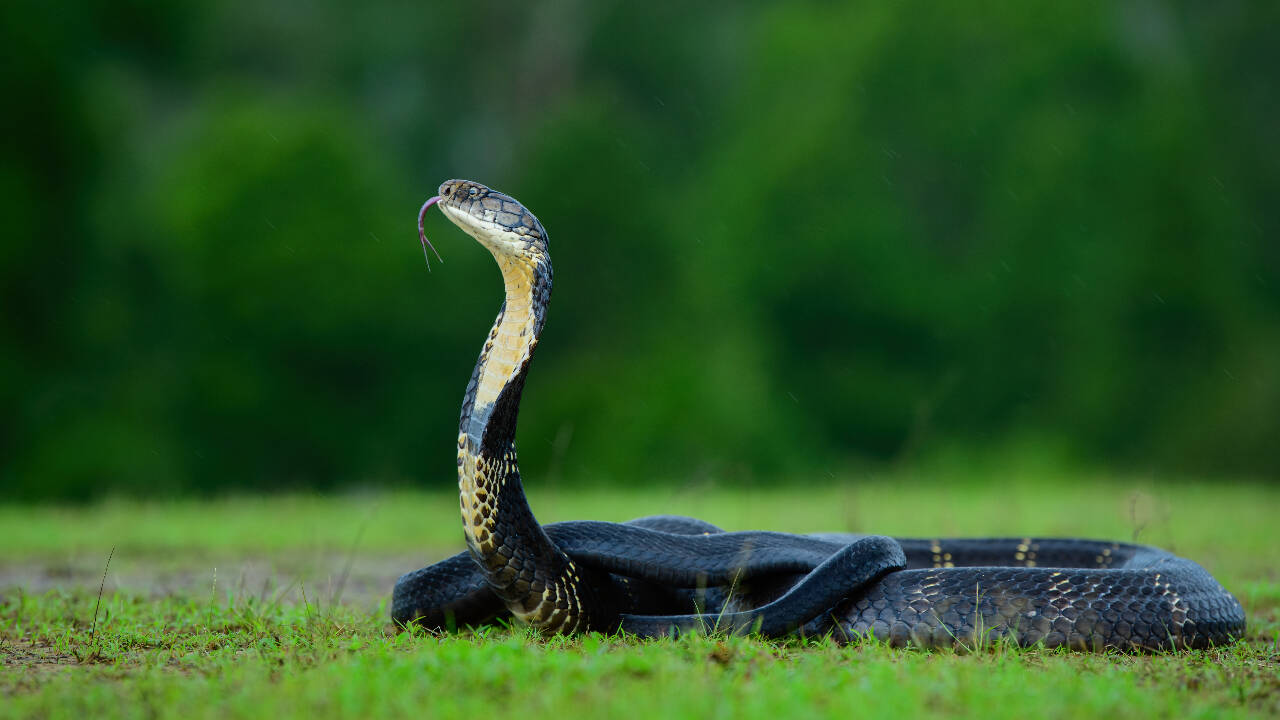
Researchers studying snake colouration patterns have proposed that bright and bold colours in venomous species may have evolved as an aposematic signal—a biological warning system that alerts predators to avoid them. This theory suggests that rather than relying solely on camouflage or stealth, some of the world's most dangerous snakes have adopted a contrasting visual strategy to survive.
The hypothesis builds on established evolutionary principles observed across various animal species, where vivid colours serve as clear indicators of toxicity or venom. By displaying distinctive markings and hues, venomous snakes may reduce predation encounters by allowing potential attackers to recognise them as hazardous prey before initiating an attack.
Studies examining snake species across different geographic regions indicate that venomous varieties frequently display more conspicuous colouration patterns compared to non-venomous counterparts. This visible differentiation could provide a survival advantage, as predators that learn to associate certain colours with danger would naturally avoid snakes bearing those markings.
The research adds new perspectives to understanding predator-prey interactions and how dangerous species maintain population stability without constant physical confrontation. Conservation experts note that understanding these defence mechanisms is crucial for protecting snake populations and reducing human-wildlife conflict in regions where snakes and people coexist closely.