Business · Malaysia Bureau
Britain embraces wildlife currency design, following Malaysia's long-established path
The Bank of England has announced plans to feature owls, puffins, hedgehogs and bumblebees on its next generation of banknotes. Malaysia, however, has championed its natural heritage on currency for considerably longer.
LSN Malaysia ·
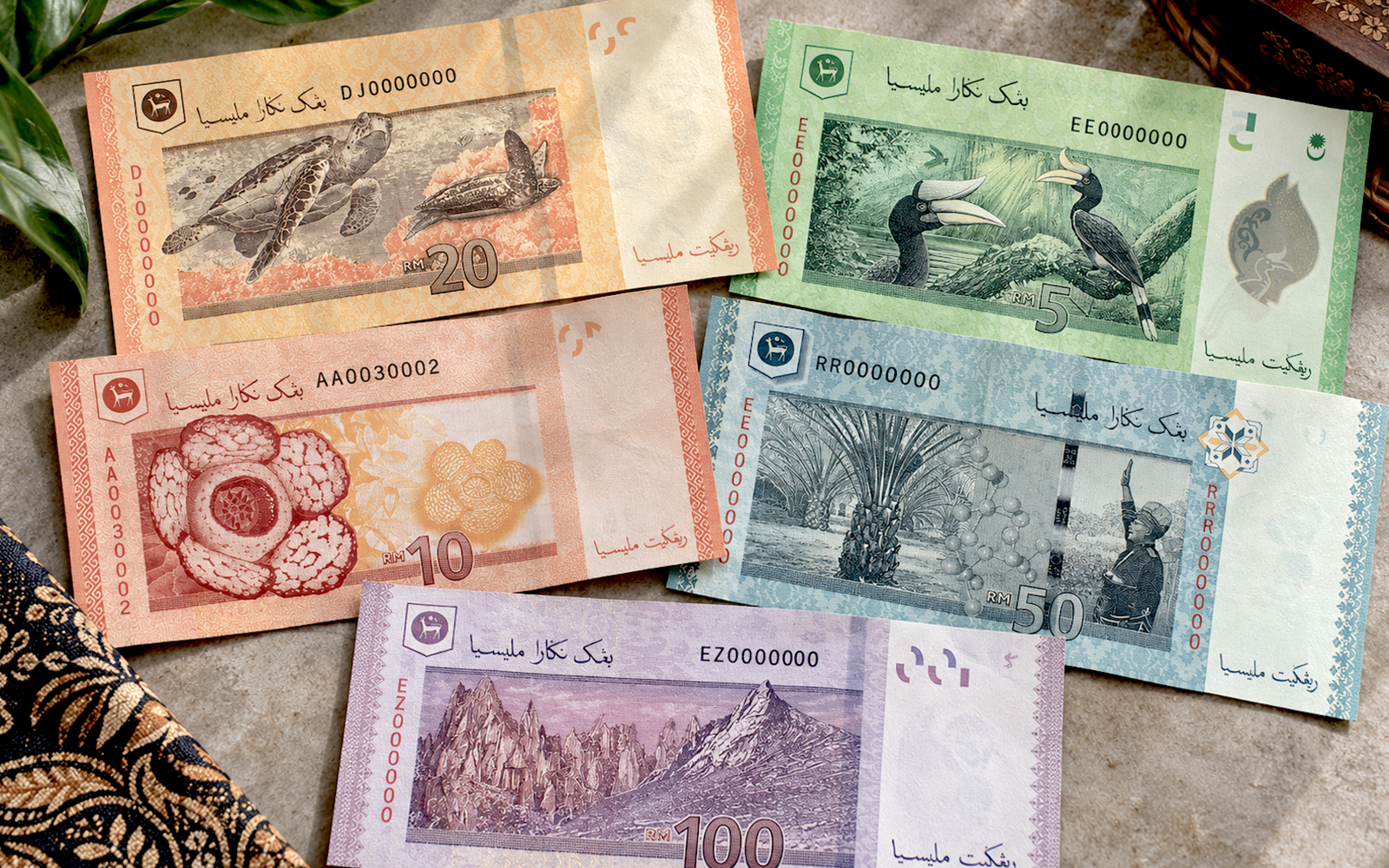
Britain's central bank revealed this week that its redesigned banknotes will showcase British wildlife, marking a significant shift in the nation's currency aesthetics. The selection includes iconic species such as owls, puffins, hedgehogs and bumblebees, reflecting the country's commitment to highlighting its natural environment on everyday financial instruments.
The move represents a notable departure from Britain's traditional approach to banknote design, which has historically prioritized portraits and historical figures. By pivoting toward fauna, the Bank of England joins a growing international trend of integrating environmental themes into currency as a means of raising public awareness about biodiversity and conservation.
Malaysia has maintained this practice for many years, with the ringgit consistently celebrating the country's rich natural heritage through carefully curated wildlife imagery. Malaysian banknotes have long featured native species and biodiversity elements, reflecting the nation's emphasis on its ecological significance and commitment to environmental stewardship.
Currency design serves as a powerful medium for national identity and values. By choosing to showcase wildlife, both Britain and Malaysia use their banknotes as platforms to underscore the importance of nature conservation and to instill environmental consciousness among citizens who handle money daily. The Bank of England's decision aligns Malaysia's currency with contemporary thinking about the role of finance in promoting ecological awareness.