World · India Bureau
Britain grapples with invasive dormice population explosion
An estimated 23,000 edible dormice have become an ecological headache for parts of Britain, where the species was never meant to establish itself. Wildlife authorities are struggling to manage the prolific rodent population that threatens native ecosystems.
LSN India ·
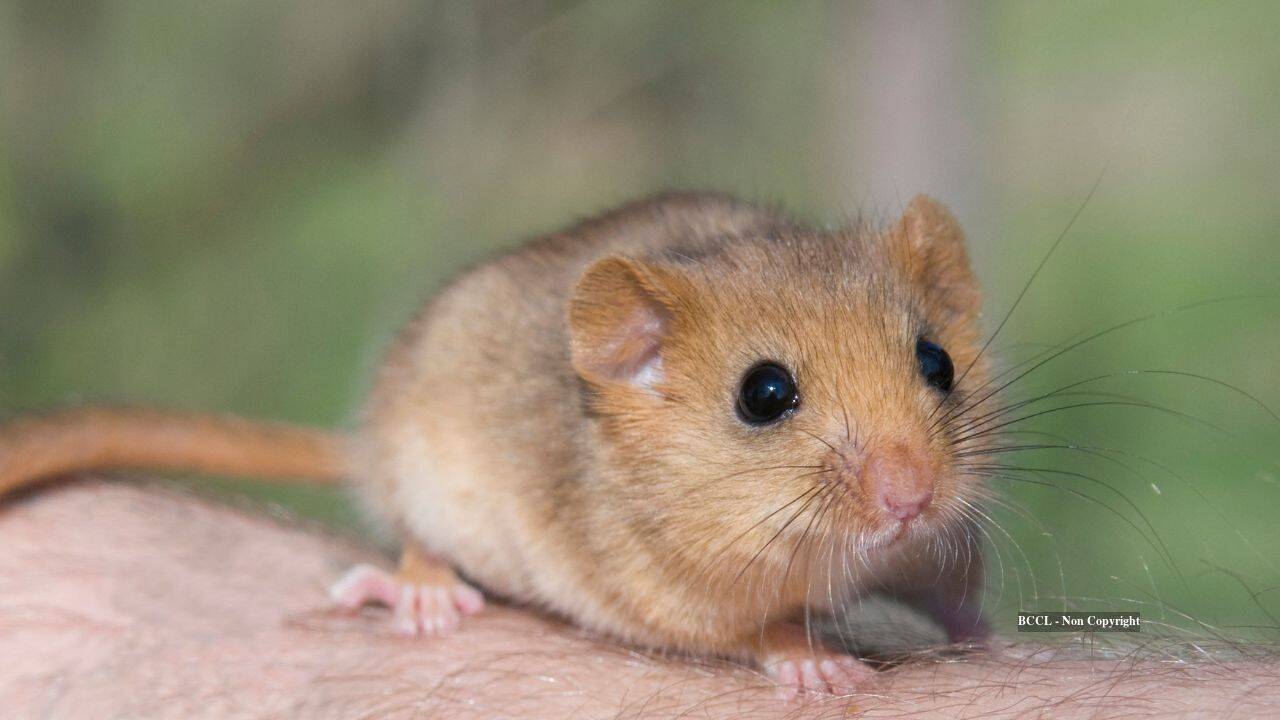
Britain is facing an unexpected wildlife management crisis as populations of edible dormice, a species not native to the British Isles, have swelled to approximately 23,000 individuals across affected regions. The dormice, which escaped or were released from captivity decades ago, have since established thriving colonies that are now considered a significant ecological threat.
Originally confined to continental Europe, edible dormice were brought to Britain for the exotic pet trade and zoo collections. Over the years, escapees and deliberate releases allowed the species to establish breeding populations in the wild, particularly in southern England where climate conditions proved suitable for their survival and reproduction.
The rapidly expanding dormouse populations pose multiple challenges to local ecosystems. These prolific rodents compete aggressively with native species for food and shelter, raid crops and gardens, and damage property by gnawing through insulation and wood. Their presence disrupts the delicate balance of Britain's natural habitats, where native fauna has evolved without this competing predator.
Wildlife management authorities have implemented various control measures including trapping programs and habitat modification strategies. However, the scale of the infestation and the dormice's adaptability have made eradication efforts challenging. Experts continue to monitor population trends and evaluate long-term management approaches to prevent further spread of this invasive species.