World · India Bureau
Britain reintroduces wild bison after 6,000-year absence
The United Kingdom has welcomed the return of wild bison to its woodlands for the first time in millennia, marking a significant milestone in ecological restoration. The animals are expected to reshape forest habitats through their natural grazing patterns.
LSN India ·
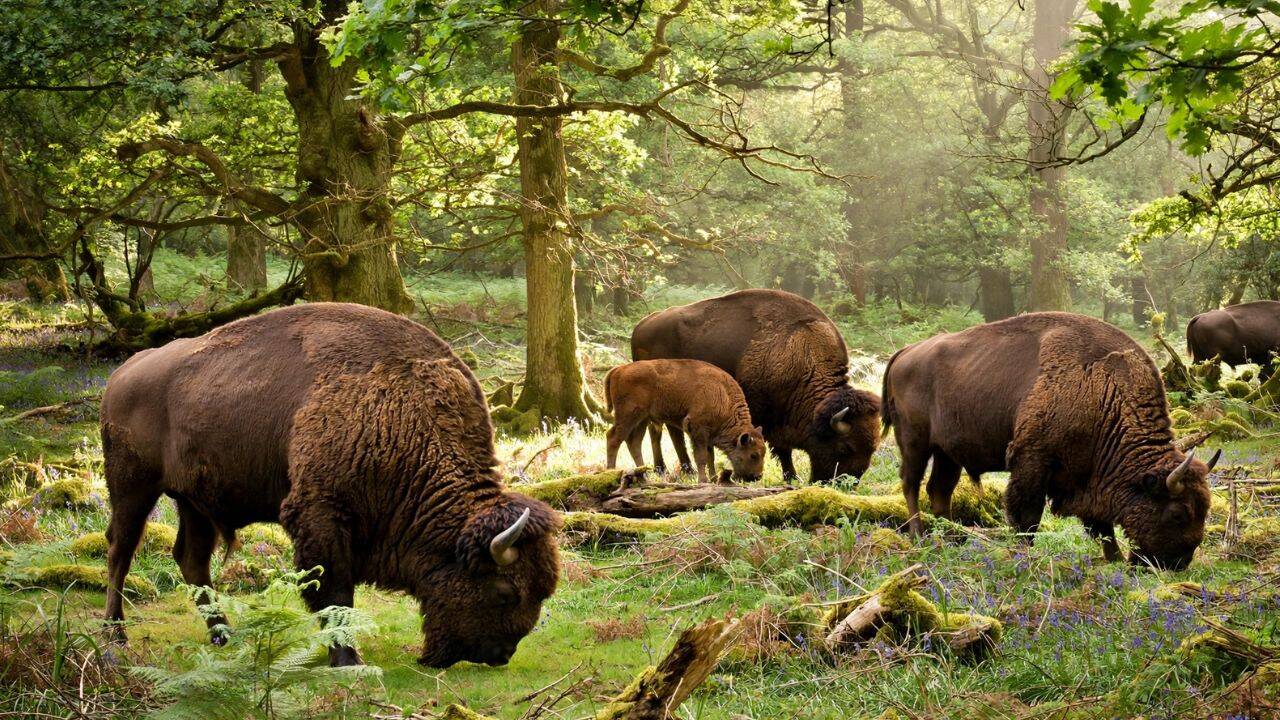
Wild bison have returned to British forests after an absence spanning six thousand years, thanks to the Blean Bison Project, a conservation initiative aimed at restoring native species and rejuvenating woodland ecosystems. The reintroduction programme represents a landmark effort in rewilding efforts across the British Isles, bringing back a species that once roamed the landscape before human activity and climate change led to their extinction in the region.
The project focuses on harnessing the ecological benefits that bison naturally provide through their grazing and movement patterns. As these large herbivores forage and traverse the woodland terrain, they inadvertently create a mosaic of different habitat types that support increased biodiversity. Their trampling and feeding habits open up dense forest canopy, allowing sunlight to reach the forest floor and promoting the growth of varied vegetation.
This approach to ecosystem management reflects a broader shift in conservation strategy, where large herbivores are recognised as key agents in shaping and maintaining diverse natural environments. The bison's presence is expected to benefit numerous plant and animal species that depend on the structural diversity these grazing animals create. By restoring bison populations, conservationists aim to demonstrate how ancient species can be instrumental in addressing contemporary ecological challenges and building more resilient woodlands for future generations.