World · India Bureau
Britain's wasp population plummets, leaving scientists scrambling for answers
Researchers in the United Kingdom are facing an unusual challenge this summer as wasp populations have dropped significantly, hampering scientific studies and ecological monitoring efforts across the region.
LSN India ·
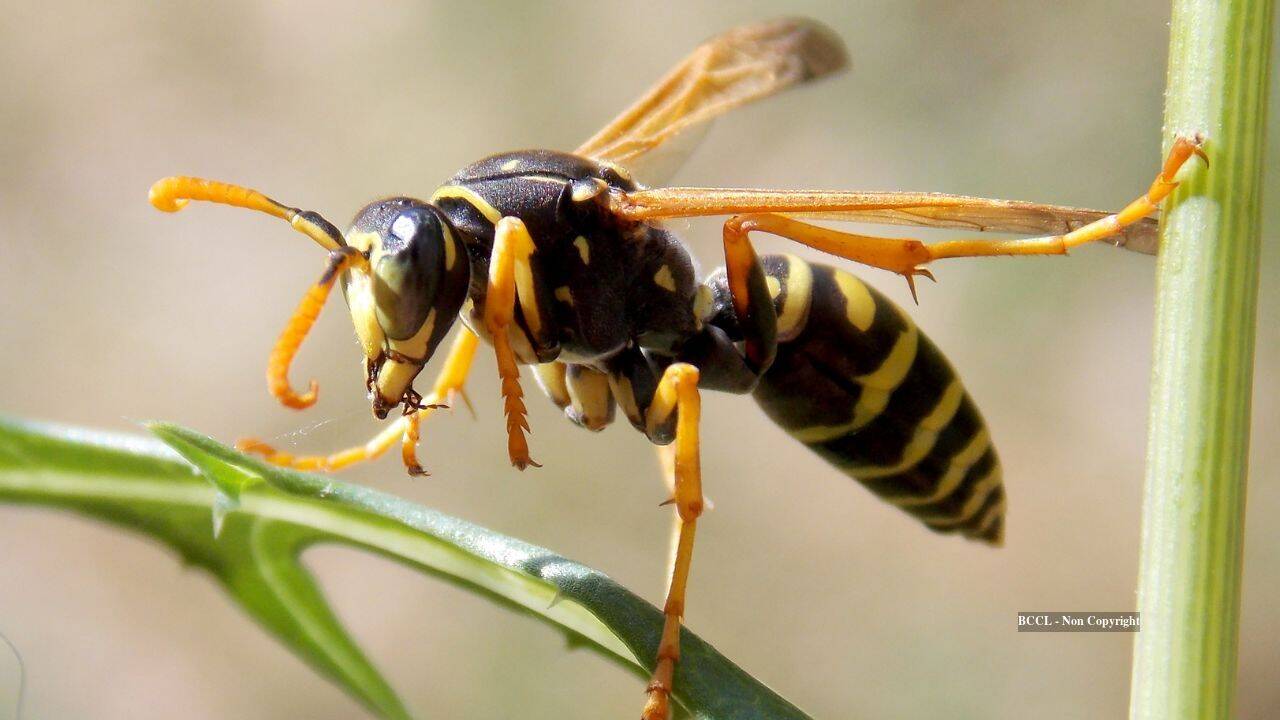
Scientists in Britain are grappling with a puzzling phenomenon as wasp numbers have declined sharply during the current summer season, creating difficulties for researchers who depend on studying these insects for ecological research and environmental assessments.
The scarcity of wasps has disrupted ongoing research programs that track insect populations and their roles within broader ecosystems. Researchers typically rely on consistent specimen availability during summer months to conduct their field studies and gather data on wasp behavior, population dynamics, and ecological interactions.
The unusual shortage has prompted questions about the underlying causes, though researchers have not yet identified a definitive explanation for the dramatic decline. Possible factors under investigation include weather patterns, changes in food availability, parasites, or disease that may have affected wasp colonies during their breeding season.
This development underscores the challenges researchers face when studying wild populations, as environmental fluctuations can unexpectedly impact the availability of study subjects. Scientists are working to adapt their research methodologies and expand their search areas to gather sufficient data for their ongoing projects.
The situation highlights the broader importance of understanding insect population dynamics, as wasps play significant roles in controlling pest populations and contributing to pollination activities in natural ecosystems.