World · India Bureau
British beaver reintroduction cuts water flow by nearly half in five years
A groundbreaking ecological experiment in Britain has demonstrated the dramatic impact beavers can have on freshwater systems. Two beavers released into a 10-hectare forest resulted in a 46.6% reduction in peak water flow over five years, highlighting their role as natural water managers.
LSN India ·
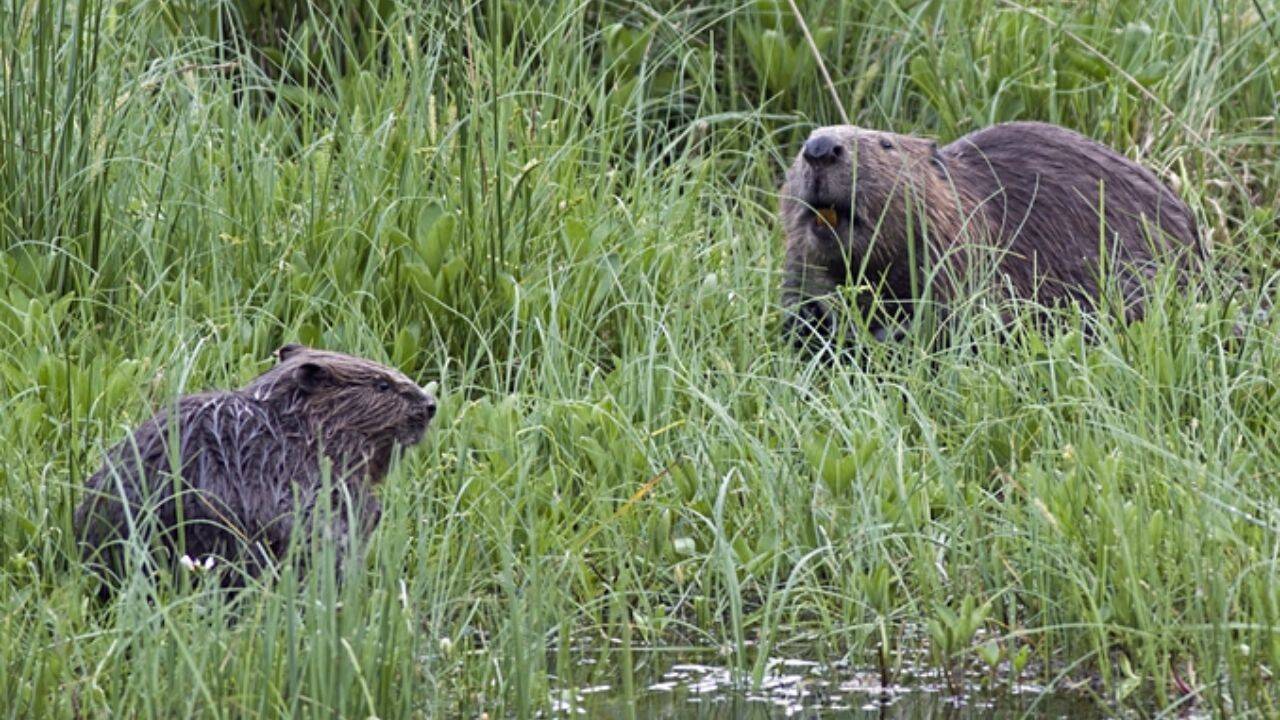
Researchers in Britain have documented a significant environmental transformation following the reintroduction of two beavers into a 10-hectare forest tract. The rodents' engineering activities—primarily dam and lodge construction—altered the watershed's hydrological characteristics substantially over a five-year period.
The most striking finding was a 46.6% decrease in peak water flow, a metric that measures the maximum rate at which water moves through the system during high-precipitation events. This reduction reflects how beaver-built structures slow water movement across the landscape, allowing greater infiltration and storage rather than rapid runoff into downstream areas.
Beavers are increasingly recognized as keystone species capable of reshaping ecosystems through their construction behaviour. Their dams create wetlands and ponds that support diverse flora and fauna while naturally regulating water dynamics. The British study provides quantitative evidence of these landscape-scale effects, demonstrating measurable changes in hydrological patterns within a relatively short timeframe.
The findings carry implications for natural flood management strategies and ecosystem restoration efforts. As climate change intensifies precipitation events in many regions, the capacity of beavers to moderate water flow patterns through natural infrastructure has attracted growing interest from environmental managers and conservation planners seeking nature-based solutions to water management challenges.