World · India Bureau
British court validates unconventional will scribbled on fish box and pastry packet
A UK court has upheld the validity of an unusual £180,000 will written on everyday household items, setting a precedent for informal testamentary documents. The ruling highlights evolving judicial approaches to inheritance documentation in modern legal practice.
LSN India ·
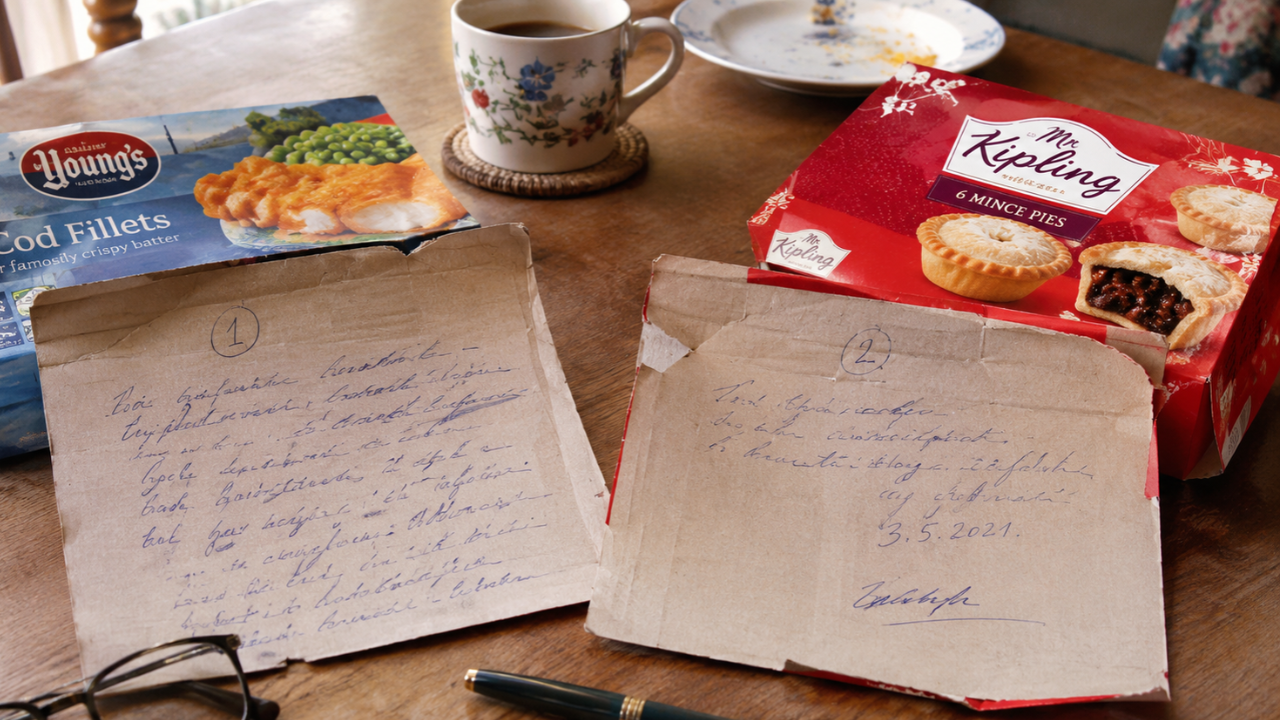
A British court has recognized an unconventional will worth £180,000 as legally binding, despite being inscribed on a fish box and mince pie packet rather than formal legal documentation. The ruling underscores the judiciary's pragmatic approach to inheritance matters, prioritizing the testator's clear intent over procedural formalities.
The case emerged when the deceased individual's handwritten wishes, documented on these casual household items, were presented for probate verification. The court examined the circumstances surrounding the will's creation and the unambiguous nature of the testator's intentions regarding asset distribution.
Legal experts view the judgment as significant in contemporary inheritance law, particularly regarding informal documentation in cases where formal will execution procedures were not followed. The decision reflects broader judicial trends across common law jurisdictions that emphasize substantive intent over rigid adherence to technical requirements.
The ruling may have implications for other cases involving unconventional testamentary expressions, establishing that courts will consider the totality of circumstances when evaluating whether informal documents constitute valid wills. However, legal professionals continue to recommend formal will preparation to avoid potential complications and disputes among beneficiaries.
The case demonstrates that UK courts retain discretionary authority to validate wills created outside traditional legal frameworks, provided evidence sufficiently demonstrates the testator's unequivocal intent to dispose of their estate through the documents in question.