Business · India Bureau
British Zoo's Rare Dracula Orchid Collection Gains National Recognition
Chester Zoo in the UK has received official designation for its collection of Dracula orchids, rare flowers with striking vampire-like features that face mounting threats from habitat destruction and poaching in their natural environments.
LSN India ·
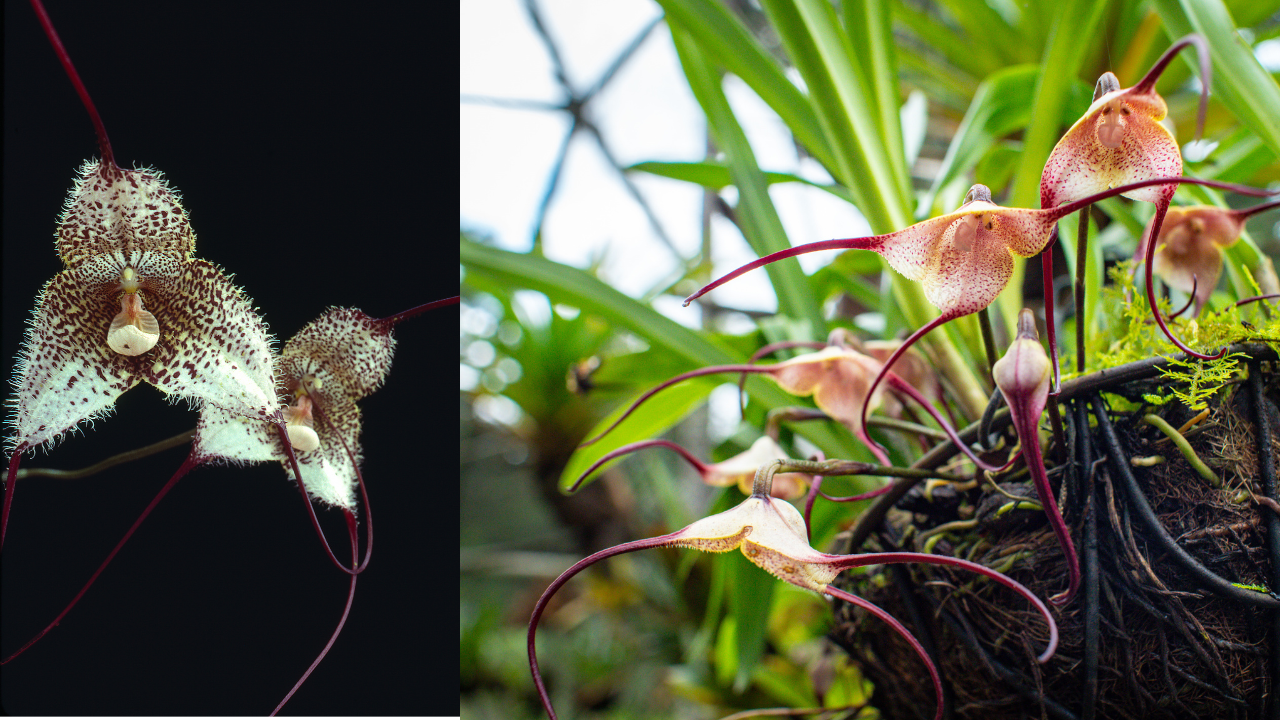
Chester Zoo has been awarded National Plant Collection status for its holdings of Dracula orchids, a remarkable group of flowers distinguished by their unusual morphologies and distinctive characteristics. The recognition underscores the global significance of the collection and the urgent need for conservation efforts targeting these increasingly vulnerable species.
Dracula orchids, found primarily in Central and South American rainforests, display extraordinary adaptations that set them apart from conventional flowering plants. Rather than relying on conventional floral scents to attract pollinators, these orchids produce specialized chemical compounds that draw specific fungal species, creating a unique ecological relationship not widely observed in the broader orchid family.
The wild populations of Dracula orchids face escalating pressures from multiple quarters. Habitat loss driven by deforestation and land conversion threatens their natural ranges, while illegal collection for the international horticultural trade compounds the problem. These twin challenges have placed numerous species at serious conservation risk.
Chester Zoo's horticulturists have established a dedicated preservation program for the orchid collection, though the specimens are maintained off-site rather than in public displays. The initiative forms part of broader biodiversity conservation efforts aimed at preventing the extinction of rare plant species and maintaining genetic diversity for potential future reintroduction to protected wild habitats. The National Plant Collection designation reflects the zoo's commitment to this scientific and conservation mission.