Politics · India Bureau
Bucharest's massive Parliament palace built on rubble of 10,000 homes
Romania's Palace of Parliament stands as the world's heaviest administrative building, but its construction came at an enormous human cost. The structure, commissioned under Nicolae Ceaușescu's regime, required the demolition of entire historic districts and the displacement of tens of thousands of residents.
LSN India ·
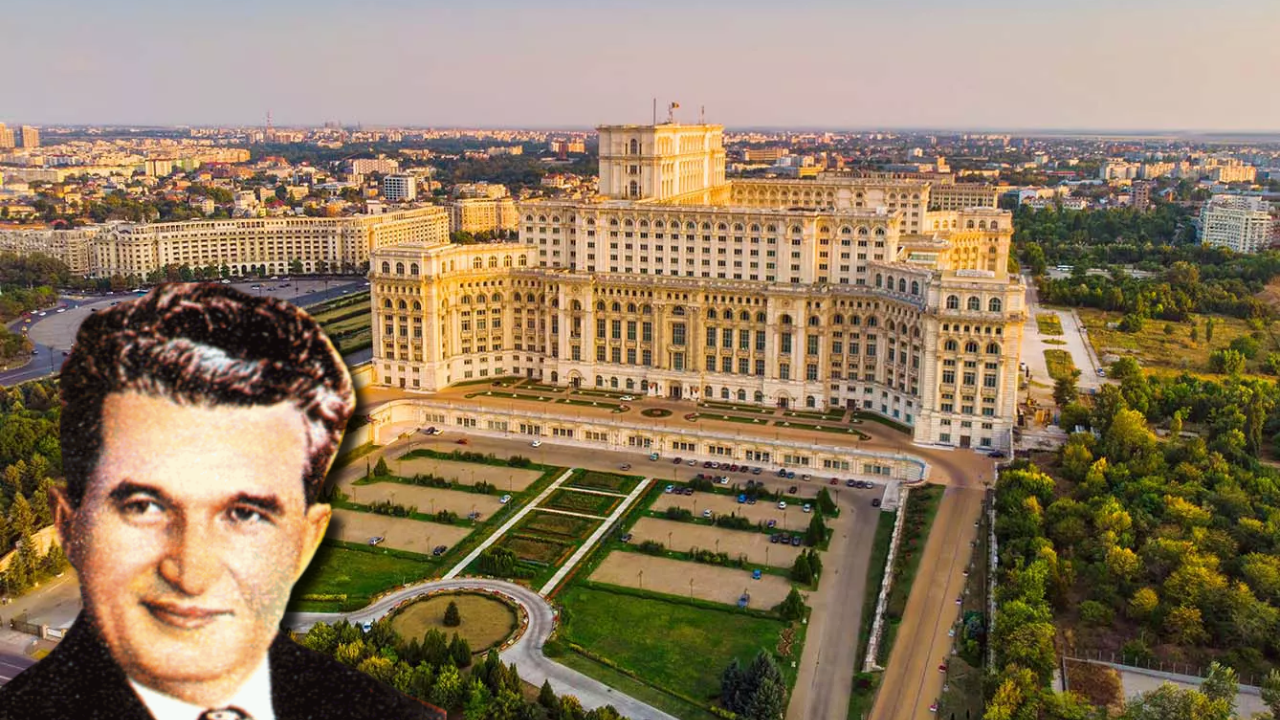
Bucharest's grandiose Palace of Parliament remains one of Europe's most imposing architectural monuments, yet its legacy is deeply scarred by the human displacement that enabled its construction. Initiated in 1984 under dictator Nicolae Ceaușescu's ambitious vision, the project necessitated the razing of historic neighborhoods and the forced relocation of approximately 10,000 homes across the Romanian capital.
The construction of this colossal administrative complex involved the systematic demolition of centuries-old districts, uprooting tens of thousands of residents in the process. Ceaușescu's regime pursued the project with characteristic disregard for the communities affected, prioritizing the dictator's vision of a monumental symbol of state power over the concerns of ordinary citizens. The building itself is a staggering feat of construction, earning the distinction of being the world's heaviest administrative building by weight.
Despite its architectural prominence, much of the Palace of Parliament remains unoccupied, raising questions about the true utility of the massive investment and displacement. The structure's precarious condition adds another layer of concern—the building continues to sink gradually each year, threatening the stability of what was meant to be an enduring monument to the regime.
Today, the Palace of Parliament stands as a controversial reminder of authoritarianism's toll on ordinary people. The building symbolizes the vast gap between grandiose state ambitions and the human costs of their realization, serving as a cautionary tale about the dangers of unchecked political power.