World · India Bureau
Budget-friendly Japanese minimalism transforms cramped Indian bathrooms
Indian homeowners can expand and organize small bathrooms without costly renovations by adopting five practical minimalist design principles. Wall shelving and neutral colour schemes offer affordable solutions to create spacious, spa-like spaces.
LSN India ·
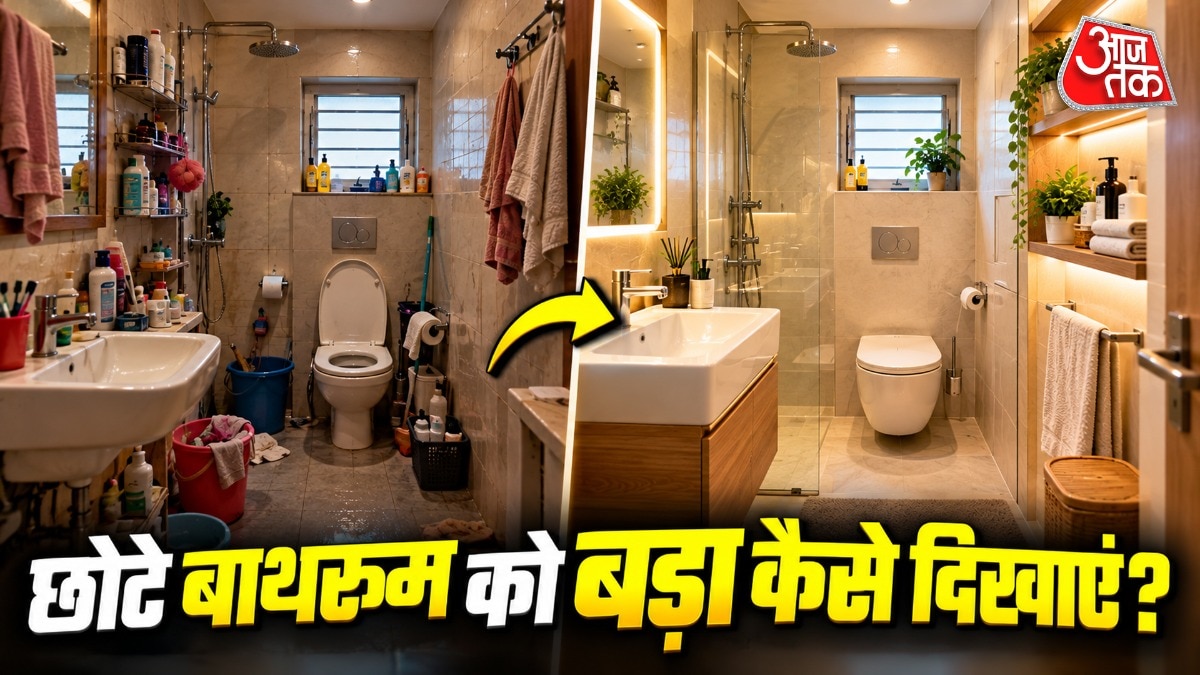
Many Indian households struggle with compact bathrooms cluttered with everyday essentials, creating a cramped and disorganized appearance. However, implementing Japanese minimalism techniques can dramatically transform these spaces into open, well-organized sanctuaries without requiring expensive renovations.
The minimalist approach focuses on eliminating visual clutter and maximizing functional space through strategic design choices. Wall-mounted shelving units serve as a cornerstone strategy, allowing homeowners to store toiletries and essentials vertically while freeing up floor space. This simple addition creates the illusion of a larger bathroom and improves traffic flow within the confined area.
Neutral colour palettes form another key element of the minimalist transformation. Soft, muted tones on walls and fixtures reflect light more effectively than darker shades, making bathrooms appear brighter and more expansive. Limiting the colour scheme to two or three complementary tones creates visual harmony and reduces the sense of overcrowding that darker, multi-coloured bathrooms can produce.
Additional budget-friendly techniques include removing unnecessary items from countertops, installing compact storage solutions, and choosing simple fixtures over ornate designs. These incremental changes collectively produce a cleaner aesthetic while maintaining functionality. Homeowners can achieve these transformations through gradual implementation rather than complete renovation, making the approach accessible to households with limited budgets.
The minimalist bathroom design trend reflects growing interest among Indian homeowners in creating personal wellness spaces within existing home constraints.