World · Malaysia Bureau
BUDI Diesel Reform Targets Genuine Users in East Malaysia
Malaysia's move to transfer BUDI diesel eligibility directly to end-users aims to better serve legitimate consumers, particularly in Sabah and Sarawak, while avoiding broad subsidy schemes. Economists say the shift represents a more targeted approach to fuel assistance.
LSN Malaysia ·
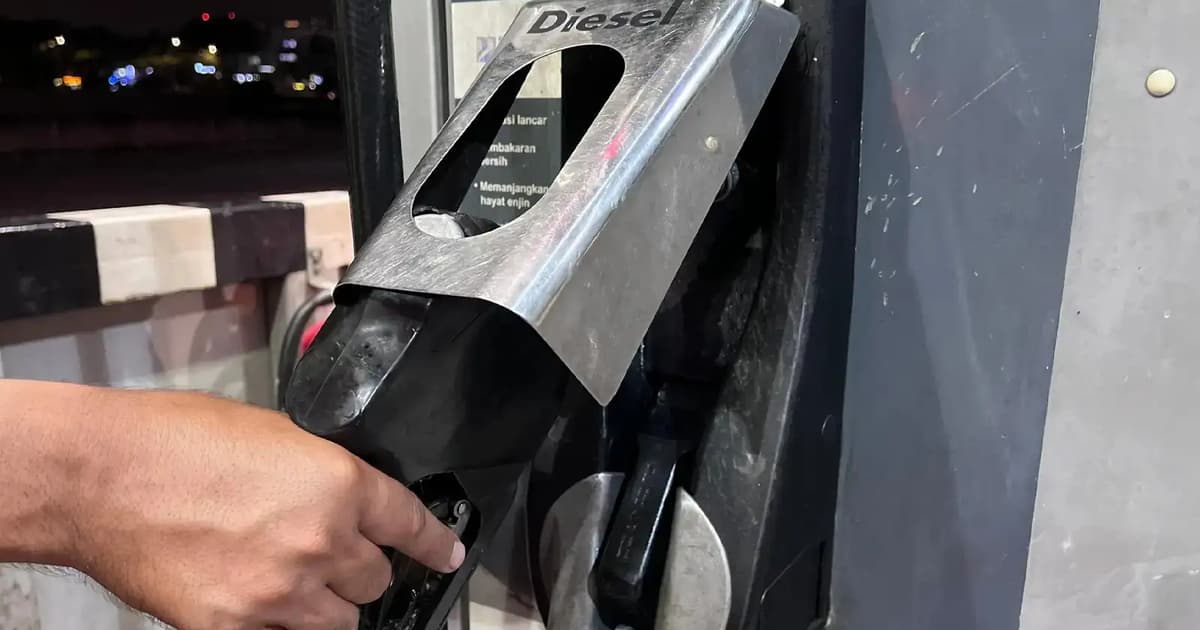
Malaysia's diesel subsidy programme is undergoing a structural shift designed to channel benefits more directly to genuine users rather than through intermediaries. The transfer of BUDI diesel eligibility to actual end-users represents a refinement of how the country manages fuel assistance, according to economic analysts.
The change is expected to have particular significance for consumers in Sabah and Sarawak, where fuel accessibility and logistics present distinct challenges compared to Peninsular Malaysia. By redirecting subsidised diesel to those who genuinely require it, policymakers aim to improve programme efficiency without resorting to blanket subsidy expansions that could strain government finances.
Economists view the reform as a pragmatic middle ground between maintaining fuel support and ensuring fiscal sustainability. Rather than extending subsidies across the board, the targeted approach focuses resources on actual users who depend on diesel for transportation, agriculture, fishing, and other essential economic activities.
The shift reflects broader efforts across Southeast Asia to modernise subsidy mechanisms amid volatile global energy prices and budgetary constraints. How effectively the revised system identifies and reaches eligible users will be crucial to determining whether the reform achieves its intended objectives of equitable support without creating new administrative burdens.