Culture & Entertainment · World News Bureau
Buganda kingdom maintains distinct identity within Uganda's borders
The East African kingdom has preserved its cultural institutions and traditions through centuries of colonial administration, independence and political turbulence. Today, Buganda's monarchy and customary governance structures continue to shape the lives of millions in Uganda's most populous region.
LSN World News ·
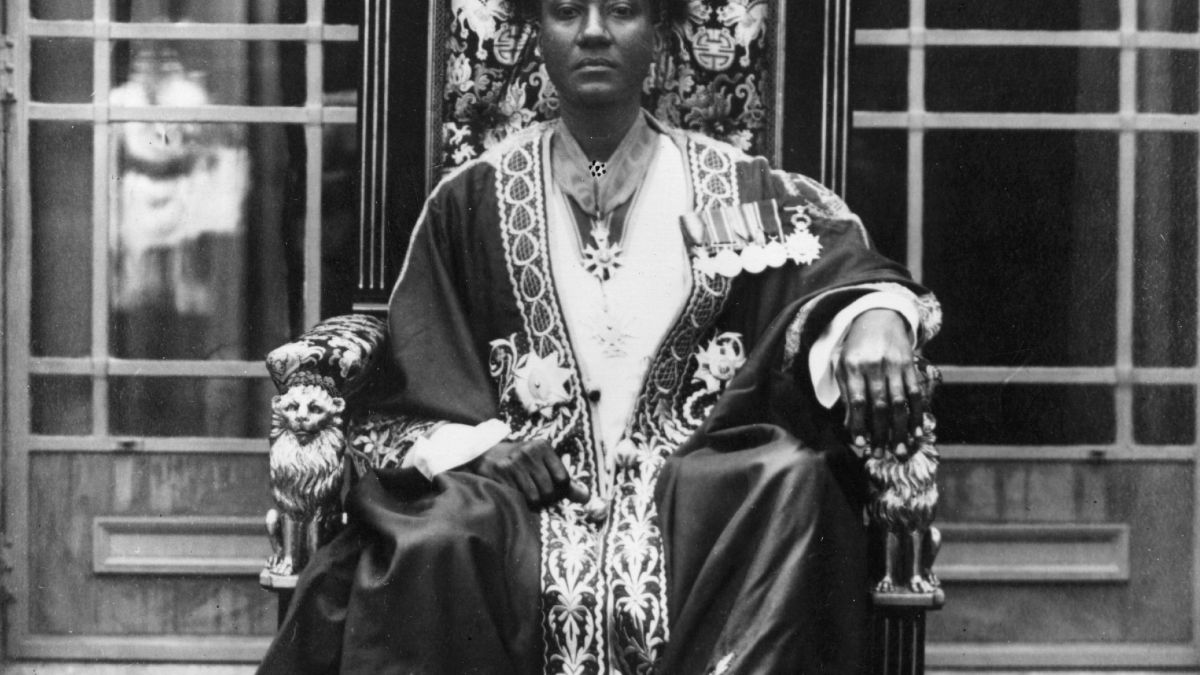
Buganda, situated in south-central Uganda, stands as one of Africa's most enduring traditional kingdoms, maintaining a parallel system of governance alongside the modern Ugandan state. The kingdom's monarch, the Kabaka, presides over institutions that trace their lineage back centuries, commanding significant cultural and social influence among the Baganda people who inhabit the region.
The kingdom's resilience reflects a complex history of adaptation. During the colonial era under British rule, Buganda's traditional institutions were incorporated into the colonial administrative structure, allowing elements of indigenous governance to persist even as foreign powers exercised ultimate authority. This arrangement created a unique hybrid system that distinguished Buganda from other regions under colonial control.
Following Uganda's independence in 1962, Buganda navigated successive periods of political upheaval, including military regimes and civil conflict that destabilized much of the country. Yet the kingdom's core institutions—including its parliament, the Lukiiko, and its network of regional chiefs—survived these turbulent decades. The Kabaka's court continues to manage land tenure systems, cultural ceremonies, and community dispute resolution mechanisms that remain relevant to local populations.
Today, Buganda's dual status as both a cultural institution and administrative entity within Uganda reflects the kingdom's persistent influence. While the central government retains constitutional authority, the kingdom's traditions continue shaping social cohesion and identity across the region, demonstrating how pre-colonial political structures can coexist with modern statehood in contemporary Africa.