World · Malaysia Bureau
Bukit Merah's orangutan colony offers hope for species survival
A population of 50 orangutans at Bukit Merah Orangutan Island could play a crucial role in protecting the critically endangered species from potential extinction. The managed population represents a vital genetic reserve as wild numbers continue to decline across Southeast Asia.
LSN Malaysia ·
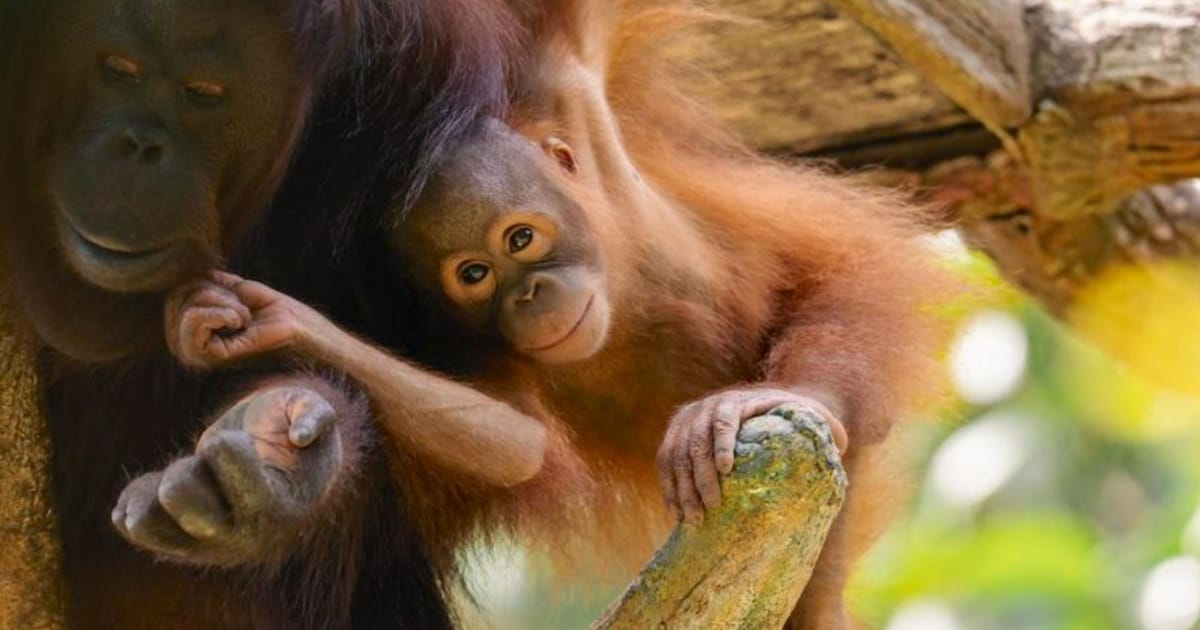
The orangutan population at Bukit Merah, located in Perak, represents one of Malaysia's most significant conservation efforts for the great apes. With 50 individuals currently housed at the facility, the colony has become an important repository of genetic diversity at a time when wild populations face unprecedented threats from habitat loss and human encroachment.
Conservationists view the Bukit Merah population as a potential safeguard against catastrophic decline in the species' natural range. The managed breeding programme maintains genetic health while ensuring the animals receive specialized care that would be impossible in degraded forest habitats. Each individual in the colony contributes to the broader survival strategy for orangutans across Malaysia and the wider region.
The decline of wild orangutan populations has accelerated dramatically over the past two decades, driven primarily by deforestation and land conversion for agriculture and development. As natural habitats shrink, facilities like Bukit Merah have transitioned from primarily educational institutions to critical conservation partners. The knowledge and experience gained from managing the colony directly informs broader wildlife protection initiatives.
Experts emphasize that captive populations cannot replace habitat protection efforts in the wild. However, the Bukit Merah orangutans serve as ambassadors for their species, raising public awareness about conservation challenges. The facility continues to expand its research and breeding programmes, positioning itself as a key institution in regional efforts to ensure the long-term survival of Borneo's most iconic species.