Politics · Philippines Bureau
Bulacan allocates millions to protect pets during severe El Niño
The provincial government of Bulacan has committed P2.5 million to safeguard nearly half a million household pets as the region braces for an intensifying El Niño phenomenon. The funding aims to ensure the welfare of both companion animals and livestock across the province's municipalities and cities.
LSN Philippines ·
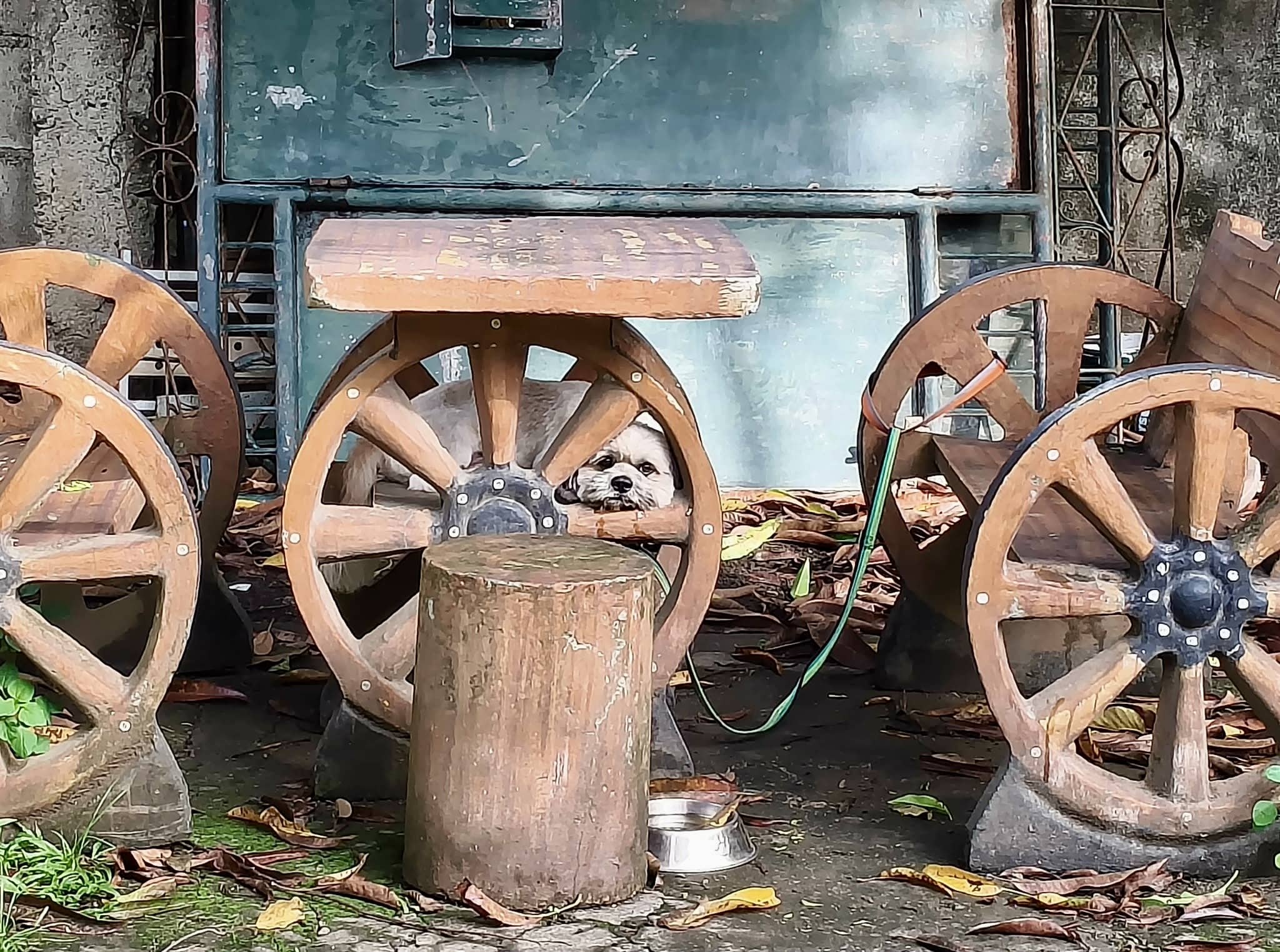
CITY OF MALOLOS, BULACAN — Provincial officials in Bulacan have approved a P2.5-million budget to protect and care for approximately 450,709 household pets during the anticipated "very strong" El Niño weather pattern. The allocation represents a comprehensive approach to animal welfare as the province prepares for extended dry conditions and elevated temperatures across its 20 towns and cities.
The funding addresses concerns that extreme heat and drought conditions associated with the El Niño phenomenon could create significant stress on domestic animals, including dogs and cats that make up the bulk of household pets in the region. Provincial administrators have indicated that the resources will support veterinary services, emergency shelters, and water distribution programs designed to mitigate heat-related illnesses and dehydration among vulnerable animals.
Beyond companion animals, the provincial allocation also encompasses support for farm livestock and agricultural animals, recognizing the broader impact of El Niño on the province's rural communities. Officials emphasized the need for coordinated preparedness measures to maintain animal health and productivity during the forecasted climatic stress period.
The move reflects growing recognition among local government units in the Philippines of the interconnected challenges posed by severe weather phenomena. As El Niño conditions intensify across Southeast Asia, provinces are increasingly factoring animal welfare into their disaster preparedness and mitigation strategies.