Business · Philippines Bureau
Bulacan leads Philippines push to strengthen local food systems
Facing mounting threats from climate change and import dependency, Bulacan residents are reviving traditional food production methods to bolster national food security. The shift reflects growing recognition among Filipinos of the strategic importance of local agricultural systems in an era of global market instability.
LSN Philippines ·
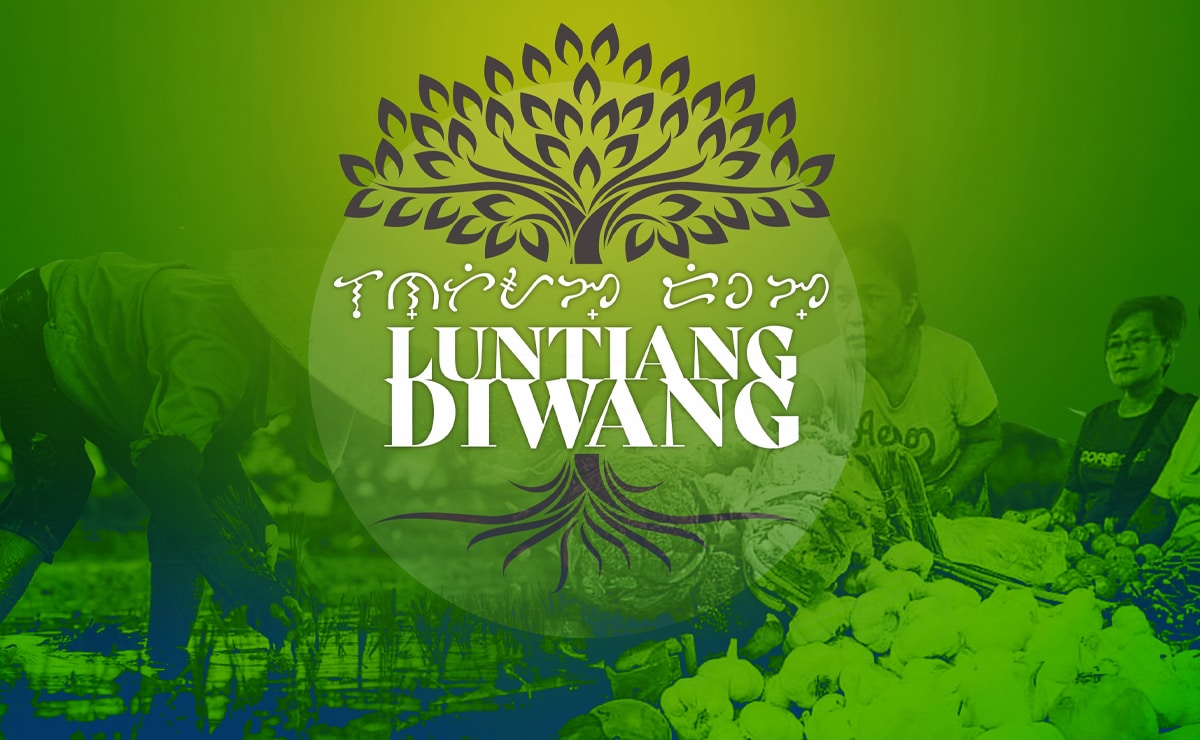
The province of Bulacan is emerging as a focal point in the Philippines' broader effort to reduce reliance on imported foods and build resilience against climate-related disruptions. As international supply chains face mounting pressures and global food markets remain volatile, communities across the country are reassessing their dependence on external sources for staple goods.
The movement comes against a backdrop of deepening food security concerns. The Food and Agriculture Organization's 2024 report on global food security and nutrition has reiterated the critical need for countries to strengthen domestic food production and diversify their agricultural systems, particularly as climate impacts intensify across Asia-Pacific regions.
In Bulacan, the revival of local food systems represents more than an agricultural shift—it signals a broader recognition that food sovereignty is linked to economic stability and public welfare. Residents are increasingly turning to indigenous crops and traditional farming methods suited to local climatic conditions, moving away from the dietary homogenization that has accompanied globalized food markets.
Experts point to the convergence of climate volatility, supply chain disruptions, and the region's growing vulnerability to import price shocks as key drivers of this transition. By reinvigorating local agricultural capacity, communities aim to build food systems that can withstand external shocks while supporting rural livelihoods and environmental sustainability.