World · World News Bureau
Bulgaria welcomes remains of medieval Emperor Samuel after millennium abroad
Bulgaria has received the skeletal remains of Emperor Samuel, a 10th-century ruler whose repatriation from Greece has reignited historical and cultural tensions between the two Balkan nations. Samuel remains a towering figure in Bulgarian national identity and medieval history.
LSN World News ·
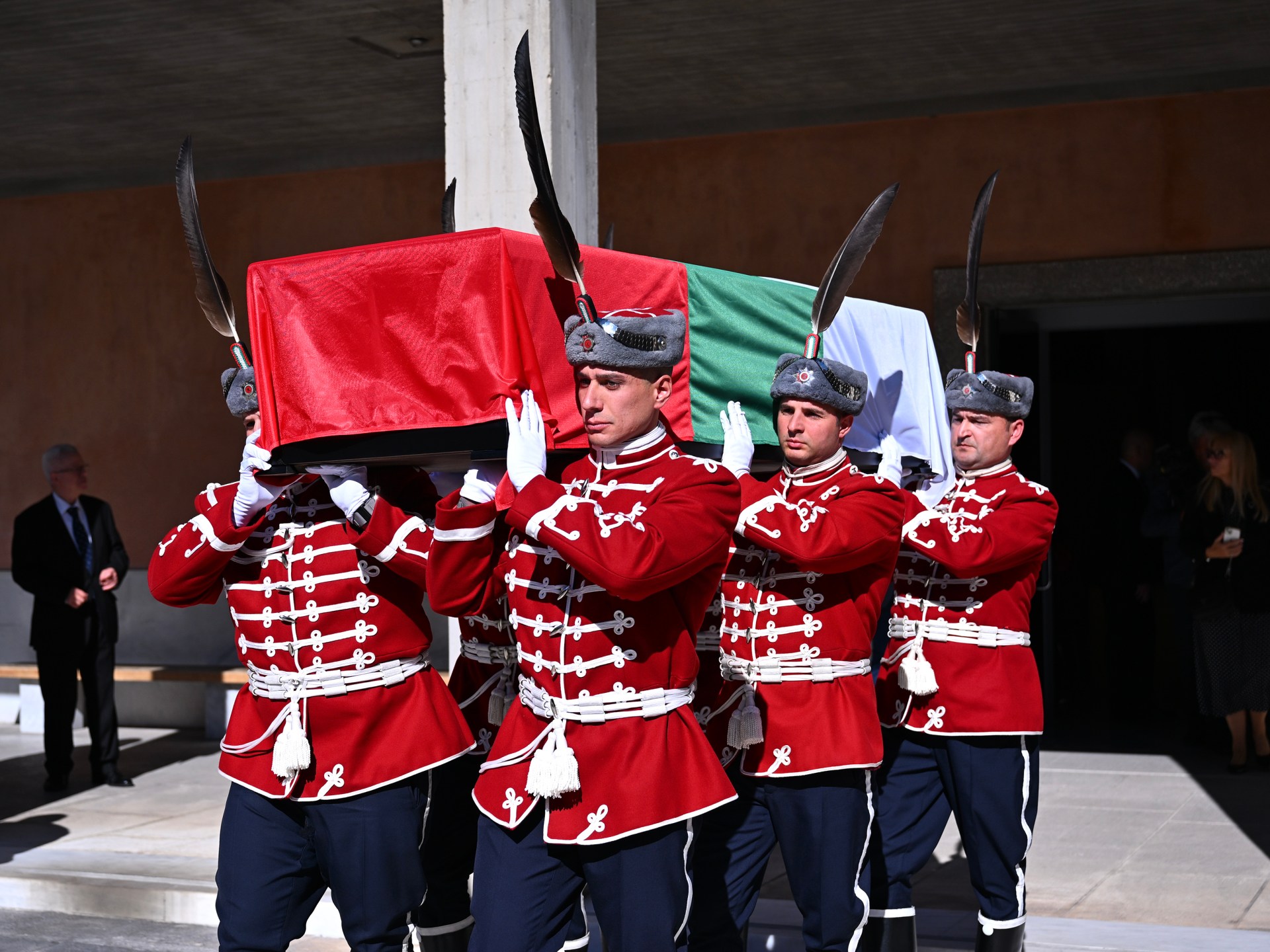
The mortal remains of Samuel, who ruled Bulgaria in the late 10th century, arrived in Sofia following negotiations between Bulgarian and Greek authorities. Archaeological evidence suggests the emperor died in 1014 after decades of military campaigns against the Byzantine Empire, which had conquered much of his realm. His repatriation marks the conclusion of a decades-long effort by Bulgarian historians and officials to bring the medieval ruler home.
Samuel's significance in Bulgarian consciousness cannot be overstated. He is revered as a symbol of resistance against foreign domination and as a pivotal figure during a formative period of Bulgarian statehood. His remains were held in Greece for centuries, a fact that became increasingly contentious as modern Bulgarian nationalism gained strength during the 20th century.
The transfer has proven diplomatically sensitive, with Greece maintaining competing historical claims to the period and questioning aspects of Samuel's legacy and territorial reach. Despite these tensions, both nations ultimately agreed to the repatriation, reflecting broader efforts to manage historical grievances within the European Union framework. Bulgarian officials have indicated the remains will be studied further and potentially interred in a location befitting Samuel's historical prominence.
The emperor's return underscores how medieval history continues to shape contemporary identity and international relations in the Balkans, where competing narratives about territorial control and cultural heritage remain sources of friction nearly a thousand years later.