Business · Malaysia Bureau
Bumiputera equity rule warrants rigorous impact assessment, analysts say
Policy experts are calling for evidence-based review of Malaysia's 30 percent bumiputera equity requirement, arguing that genuine advancement should focus on tangible benefits for ordinary families rather than defending the policy without scrutiny.
LSN Malaysia ·
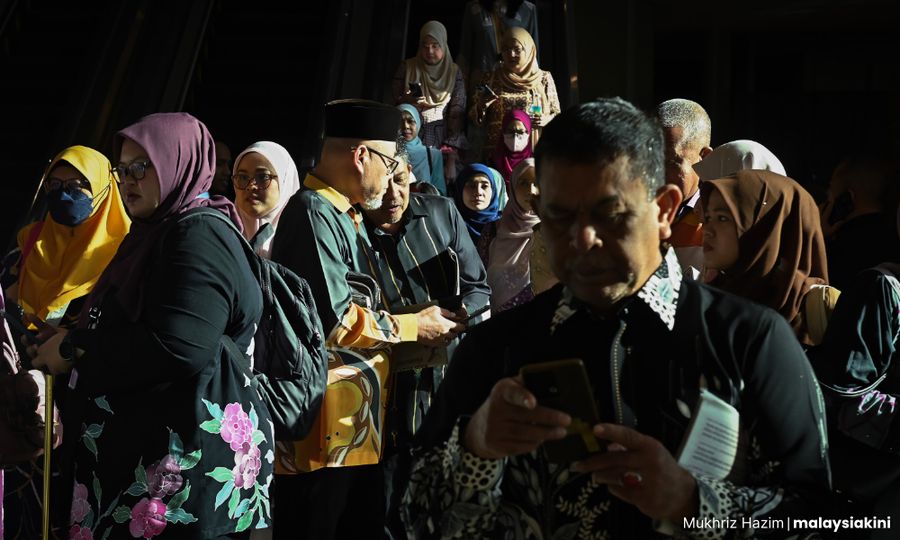
Malaysia's long-standing 30 percent bumiputera equity requirement has come under renewed examination, with analysts urging policymakers to conduct comprehensive impact assessments rather than defend the policy through rhetoric alone.
Proponents of a deeper review argue that true bumiputera advancement should be measured by concrete outcomes: improved educational opportunities, development of economically valuable skills, and enhanced financial security for ordinary families. Current implementation often falls short of these benchmarks, they contend, with benefits sometimes accruing to well-connected elites rather than the broader community the policy was designed to help.
The call for impact assessment reflects growing recognition that policy effectiveness requires data-driven evaluation. Stakeholders across the political and business spectrum acknowledge the policy's historical importance in Malaysia's post-independence development framework, but question whether current mechanisms adequately serve their intended purpose.
Experts suggest that rigorous analysis could identify how the policy might be refined to better align with its original objectives while accounting for Malaysia's evolving economic landscape. Such assessment would provide evidence to inform both policy adjustments and public discourse around affirmative action and equity in the country's business environment.