World · India Bureau
Bumper paddy crop strains procurement systems across Punjab, Haryana
Record rice harvests have overwhelmed government procurement infrastructure in Punjab and Haryana, creating bottlenecks at agricultural mandis and storage facilities. Farmers face mounting delays as the peak procurement season intensifies across both states.
LSN India ·
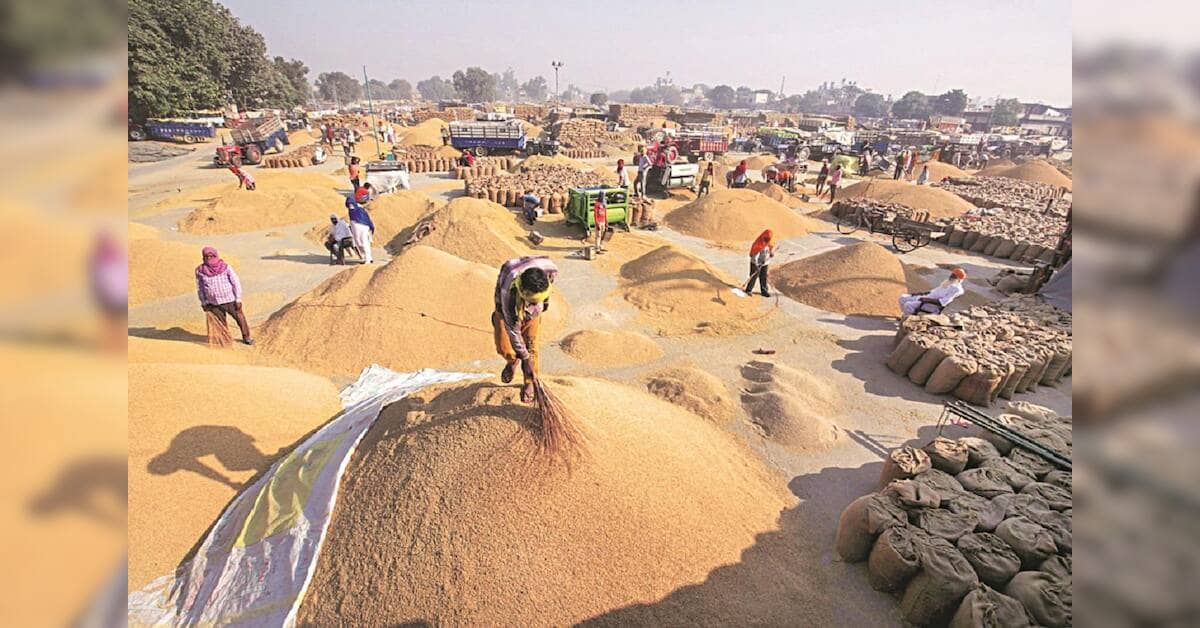
A record paddy harvest has exposed critical capacity constraints in the agricultural procurement systems of Punjab and Haryana, two of India's leading rice-producing states. Government procurement agencies are struggling to handle the volume of grain arriving at mandis, resulting in significant delays in payments to farmers and congestion at collection centers.
In Haryana, the bumper crop has created multiple operational challenges. Procurement centers are overwhelmed with incoming produce, while storage facilities are operating at or near maximum capacity. The delays in the procurement process have left many farmers waiting longer than usual to receive payment for their harvest, adding financial pressure during a critical period.
Punjab is experiencing similar difficulties as its procurement season accelerates. The state's mandi infrastructure, despite being among the most developed in the country, is struggling to process the exceptional volume of paddy. Storage pressures have mounted as warehousing facilities fill rapidly, creating a bottleneck effect across the supply chain.
The glut presents a paradox for farmers in both states. While a bumper harvest typically signals agricultural success, the inability of procurement systems to match supply levels has created market complications. Authorities in both states are working to augment storage capacity and streamline processing procedures to manage the exceptional grain volumes.
The situation underscores longstanding concerns about India's agricultural infrastructure and its capacity to handle fluctuations in harvest volumes, particularly in states that account for substantial portions of the national rice production.