Technology · India Bureau
Business schools must pivot on AI, geopolitical risks: CEA
India's Chief Economic Adviser has called for a fundamental overhaul of management education to equip leaders with critical thinking and resilience amid rapid technological change and global instability.
LSN India ·
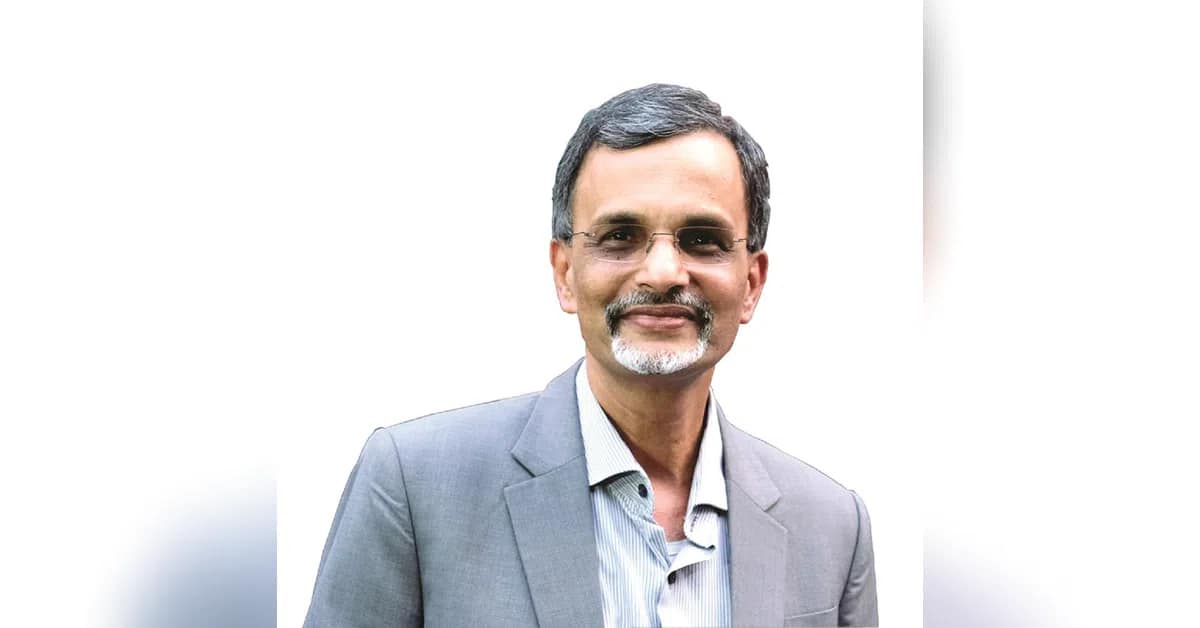
Business schools across India need to recalibrate their curricula to prepare managers for an era marked by artificial intelligence disruption and geopolitical volatility, according to V Anantha Nageswaran, the country's Chief Economic Adviser.
Nageswaran emphasized that traditional management education frameworks are inadequate for addressing the complex challenges facing organizations today. As AI increasingly automates routine decision-making and geopolitical shocks create unpredictable market conditions, he argued that institutions must prioritize the development of human judgment, strategic resilience and deep analytical thinking—capabilities that machines cannot easily replicate.
The CEA's remarks underscore growing concern among policymakers that India's business schools risk producing graduates ill-equipped for volatile, uncertain global conditions. Rather than focusing exclusively on functional expertise and technical skills, institutions should cultivate leaders capable of navigating ambiguity, making sound decisions under pressure, and building organizational adaptability.
These observations align with broader conversations among industry leaders about the future of management education in a technology-driven world. As Indian businesses compete globally and face mounting environmental and social pressures alongside technological disruption, the demand for leaders with robust critical thinking and adaptive capabilities is intensifying.