World · India Bureau
Butterfly migration imperiled as roadkill decimates western district populations
Massive butterfly movements across western zones face unprecedented threats from vehicular traffic, with hundreds of insects perishing on roads during their annual migration. Conservation experts warn the surge in roadkill poses serious risks to species survival and ecological balance.
LSN India ·
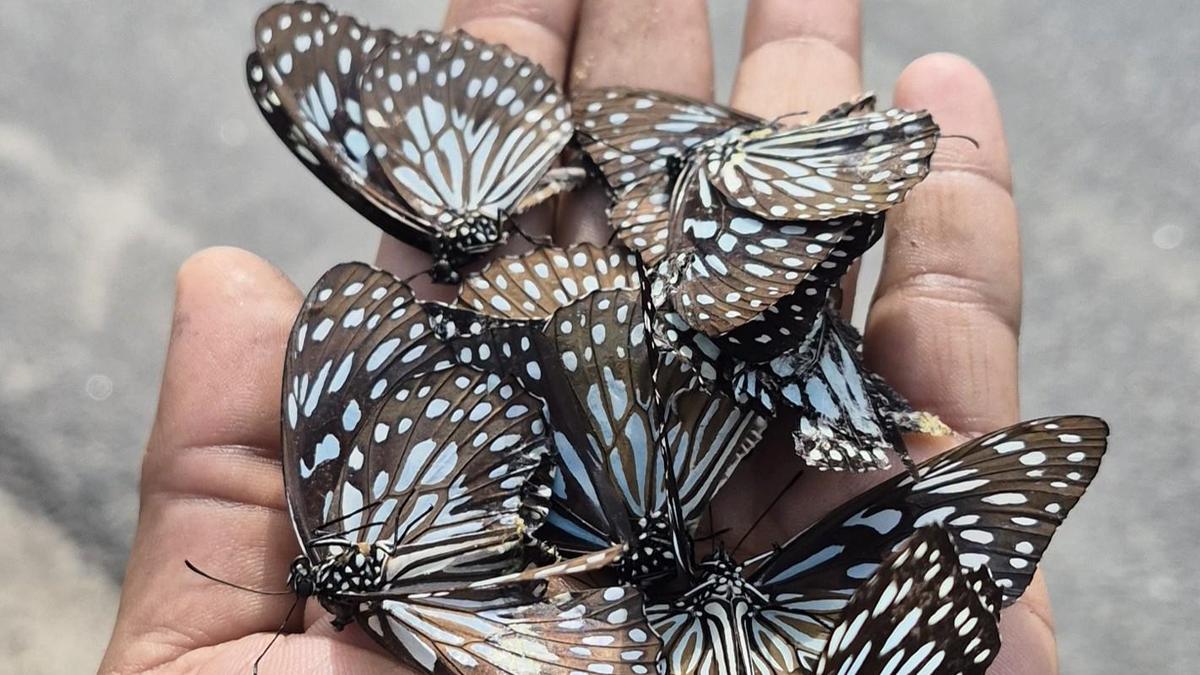
Extensive butterfly migrations currently underway across western districts are encountering severe disruptions as large numbers of insects fall victim to traffic on busy thoroughfares. The seasonal phenomenon, which typically sees swarms of butterflies traversing the region in search of breeding grounds and food sources, has been significantly curtailed by roadway casualties.
Observations from multiple districts indicate that the scale of butterfly deaths on roads is unprecedented, with hundreds of insects failing to complete their migratory journeys. The casualties span various species, many of which undertake these long-distance movements as essential components of their life cycles. Local monitoring indicates that certain stretches of road have become particularly hazardous crossing points.
Environmental researchers have flagged concerns about the cumulative impact on butterfly populations, particularly given the already fragmented habitats and ecosystem pressures facing these species. The interruption of migration patterns threatens not only individual populations but also the pollination services these insects provide to regional flora.
Authorities and conservation groups are exploring potential measures to mitigate the impact, including awareness campaigns, traffic management interventions near sensitive migratory corridors, and habitat connectivity initiatives. Experts emphasize that protecting migratory pathways is critical for maintaining ecological equilibrium and ensuring the survival of vulnerable butterfly species across the western zones.