Politics · India Bureau
Cabinet approves ₹2,814 crore scheme for domestic lithium, nickel processing
The government has cleared a five-year support programme offering 30 per cent capital subsidies to establish four processing plants for critical minerals. The initiative aims to reduce India's reliance on imports and secure its supply chain for battery materials.
LSN India ·
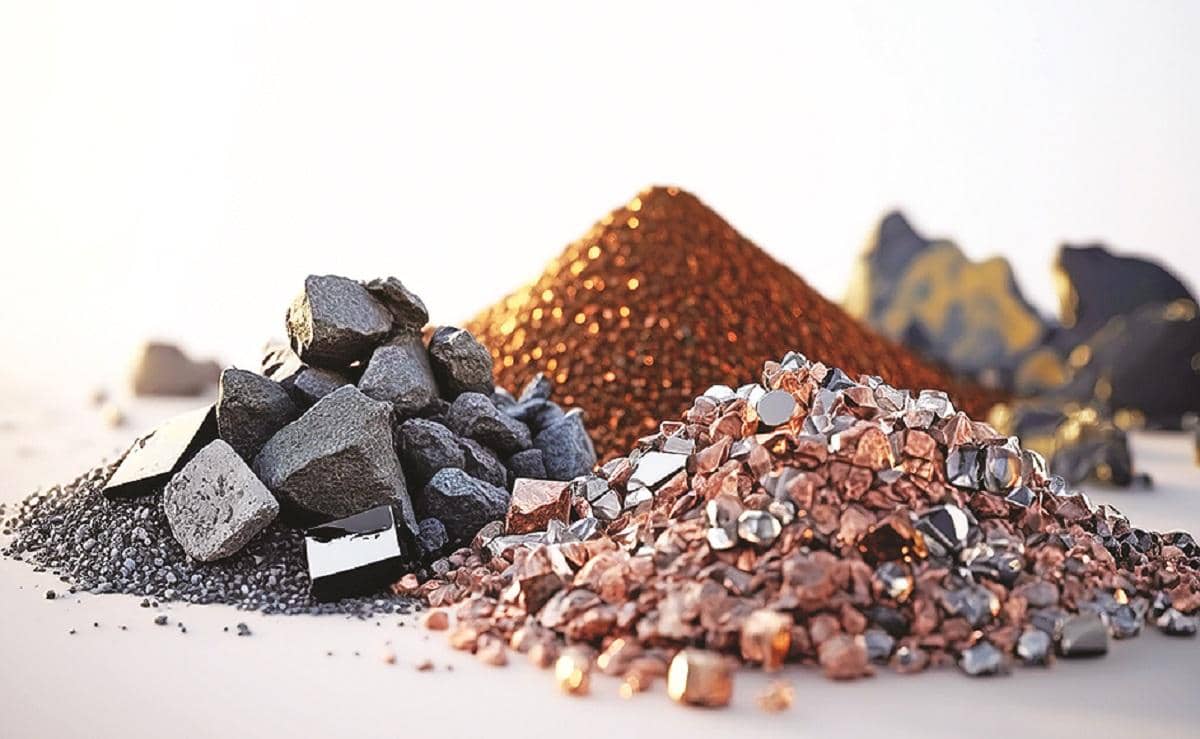
India's Cabinet has approved a ₹2,814-crore scheme to establish domestic lithium and nickel processing capacity, marking a significant push toward self-sufficiency in critical minerals essential for the energy transition. The five-year programme will provide 30 per cent capital subsidy to four processing plants, substantially reducing the financial burden on investors in these capital-intensive ventures.
The move addresses India's acute vulnerability to international price volatility and supply disruptions for lithium and nickel, both key components in battery manufacturing for electric vehicles and renewable energy storage. Currently, India imports the majority of its refined lithium and nickel requirements, with limited domestic processing infrastructure available.
By establishing indigenous processing capacity, the scheme is expected to strengthen India's position in global battery supply chains while creating manufacturing opportunities aligned with the country's electric mobility and clean energy ambitions. The initiative also seeks to attract private sector investment in mineral processing, a sector traditionally characterised by high entry barriers and extended capital recovery periods.
The processing plants will enable India to convert raw mineral resources into refined products, adding value domestically and reducing the cost differential between imported and locally-processed materials. The support measure reflects growing recognition among policymakers of the strategic importance of critical minerals in achieving long-term energy security and industrial competitiveness.