World · India Bureau
Cable car innovation: How San Francisco conquered steep terrain in 1873
Andrew Hallidie's groundbreaking cable car system, first tested in San Francisco 150 years ago, revolutionized urban transport by making it possible to navigate the city's notoriously steep hills. The innovation became a blueprint for cities worldwide seeking solutions to challenging topography.
LSN India ·
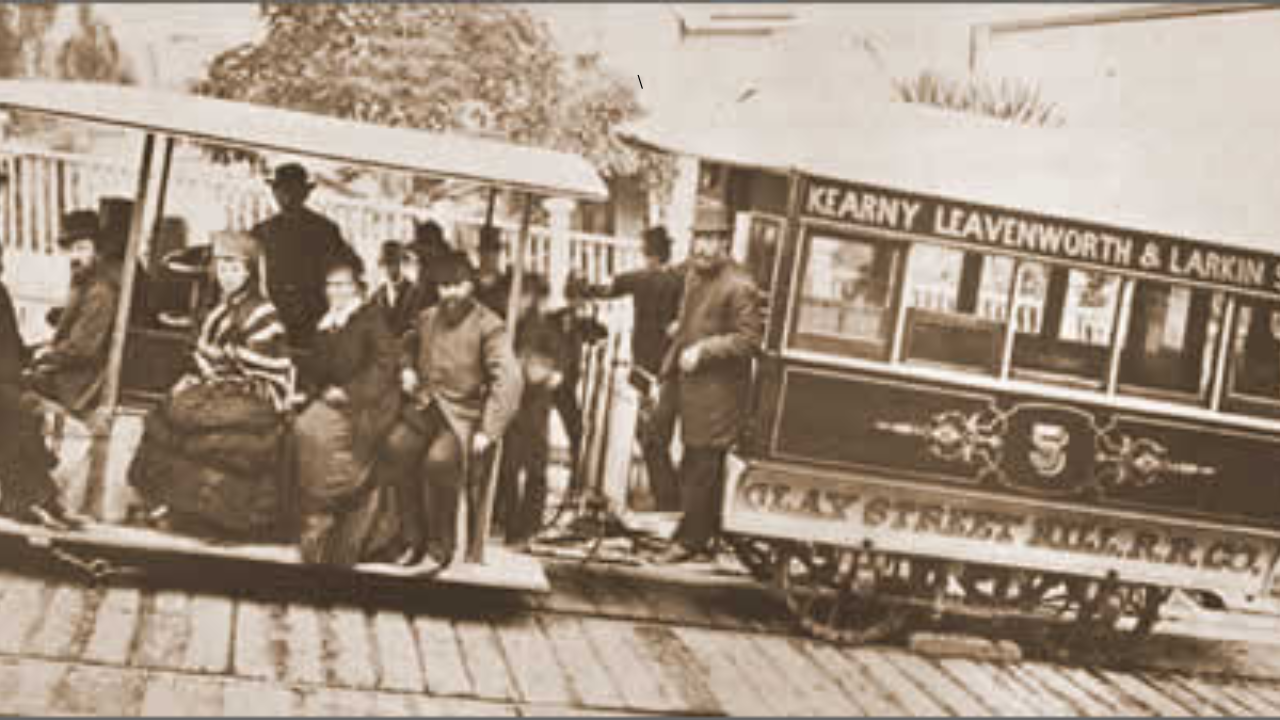
In 1873, engineer Andrew Hallidie demonstrated a mechanical solution to one of San Francisco's most pressing urban challenges—how to transport people safely and efficiently up and down its dramatically steep terrain. His cable car system, powered by continuously moving underground cables, proved that gravity-defying transport was achievable without relying solely on animal power or human effort.
The innovation emerged from necessity. San Francisco's famous hills had long stymied conventional transportation methods. Horse-drawn carriages struggled with the gradient, making commuting difficult and limiting urban expansion into elevated areas. Hallidie's cable car concept offered a practical alternative that could haul passengers uphill with mechanical reliability.
The success of Hallidie's initial test run validated his engineering vision and led to the establishment of the Clay Street Hill Railroad, the world's first operational cable car line. The system's effectiveness in navigating San Francisco's topography soon attracted interest from other cities grappling with similar geographical constraints.
More than a century later, San Francisco's cable cars remain iconic symbols of the city's transportation heritage. The engineering principle that Hallidie pioneered—using underground cables to power vehicles on steep inclines—demonstrated how innovation could transform urban landscapes and accessibility, particularly in cities with challenging terrain.