Business · Malaysia Bureau
Cable Theft Cripples Infrastructure, Costs Public Dearly
The theft of critical cables has disabled essential infrastructure across the region, with the public bearing far greater financial losses than the value of stolen materials. Authorities warn the problem is escalating as criminals target power, telecommunications, and transport systems.
LSN Malaysia ·
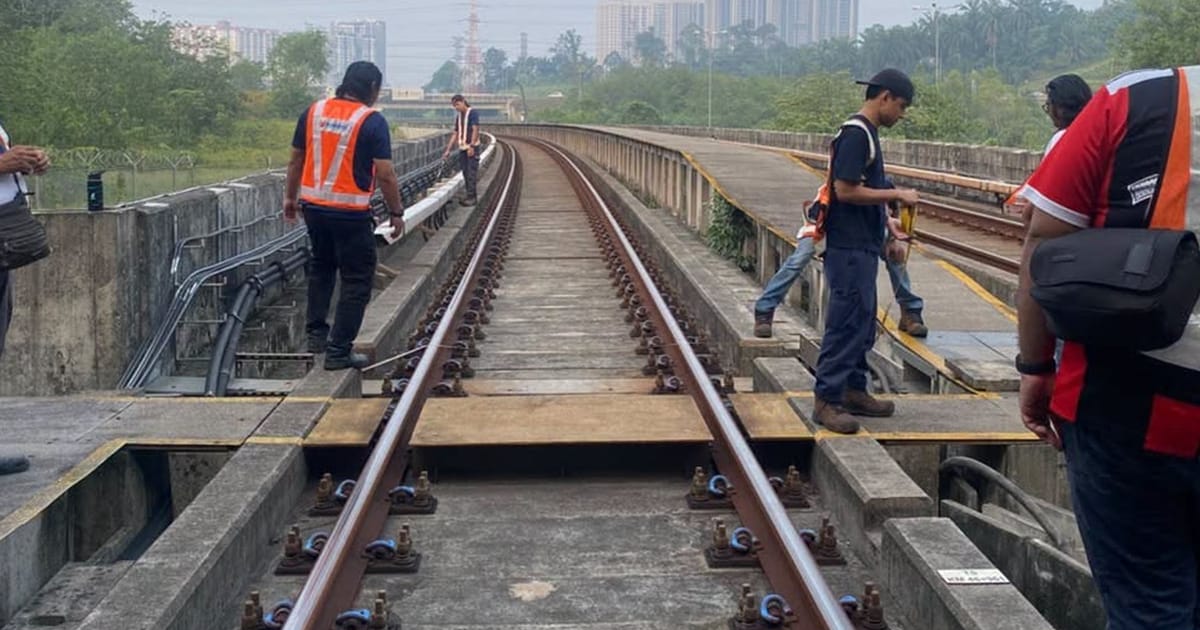
Cable theft has emerged as a significant threat to regional infrastructure, with criminal gangs systematically targeting power lines, telecommunications networks, and rail systems to strip valuable copper and other metals for resale. The impact extends far beyond the theft itself, as disrupted services force widespread outages that affect businesses, hospitals, and households across Malaysia and neighboring areas.
The economic toll on consumers and enterprises substantially exceeds the value of stolen materials. When critical infrastructure fails, businesses lose productivity, hospitals struggle to maintain essential services, and residents face prolonged blackouts and communication breakdowns. Transportation networks experience delays and cancellations, compounding losses throughout the economy.
The theft of cables represents a particular challenge for infrastructure operators, who face mounting costs for repairs, replacements, and enhanced security measures. Restoring damaged systems often requires expensive specialized equipment and skilled technicians working extended hours. The ripple effects of these outages can persist for days or weeks, disrupting supply chains and forcing rationing of resources.
Authorities across South and Southeast Asia have intensified efforts to combat cable theft through increased patrols, surveillance, and coordination with scrap metal dealers. However, the profitability of the black market for stolen metals continues to incentivize criminal activity. Experts urge stronger penalties and coordinated regional approaches to address the growing problem before infrastructure vulnerabilities become more acute.