World · India Bureau
California dam removal opens waterways for salmon spawning restoration
The demolition of an 18-foot dam in California after seven decades of operation is expected to restore salmon spawning routes upstream by 2026. The removal marks a significant step in regional environmental restoration efforts.
LSN India ·
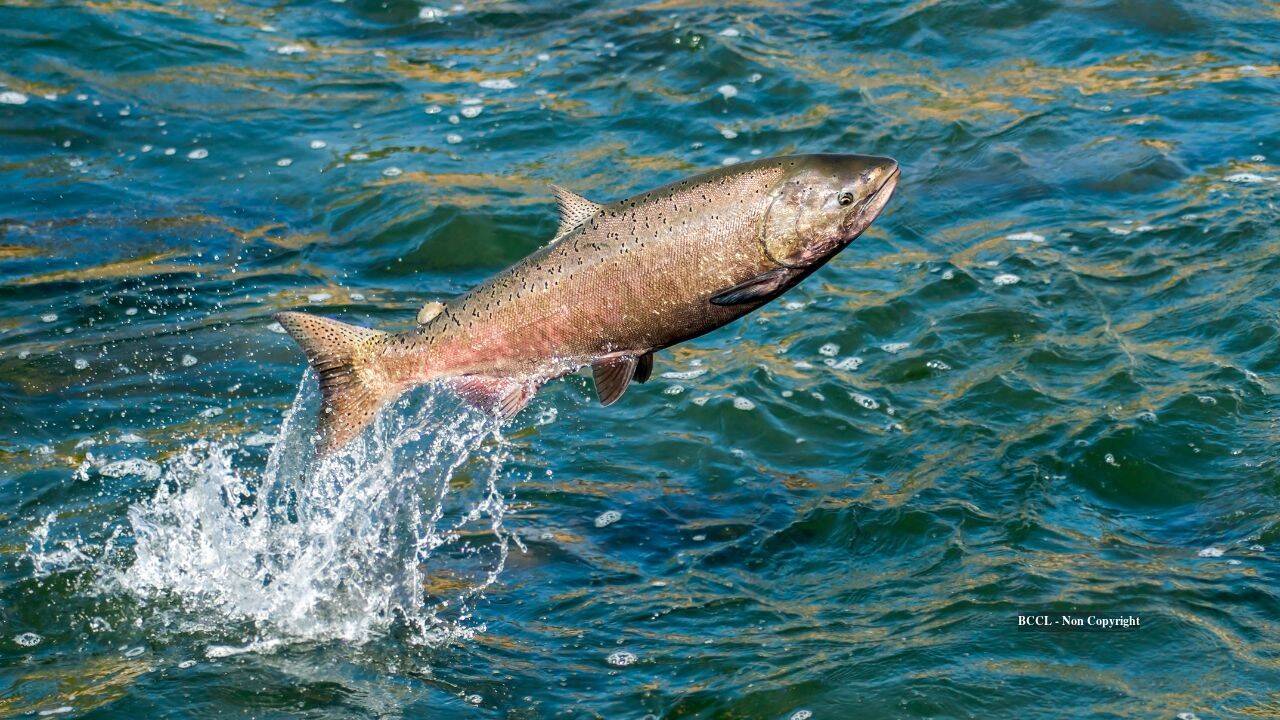
A major dam in California has been dismantled after 70 years of operation, clearing the path for salmon populations to return to their ancestral spawning grounds upstream. The infrastructure removal is part of a broader ecological restoration initiative aimed at revitalizing native fish populations in the state.
The 18-foot structure had long restricted salmon movement, preventing the species from accessing critical upstream habitats essential for their reproductive cycle. Environmental scientists anticipate that with the barrier removed, salmon will begin their return migration within the coming years, with substantial upstream spawning activity expected by 2026.
The project reflects growing recognition of the ecological costs associated with aging dam infrastructure. Water management authorities have increasingly prioritized dam removal and modification as strategies to balance human water needs with environmental preservation and species conservation.
Salmon populations have faced significant pressure from habitat fragmentation, declining water quality, and climate change impacts across the Pacific coast. The California restoration effort demonstrates how infrastructure decisions can directly influence the recovery prospects of economically and culturally important fish species.
Experts monitoring the project expect the restored spawning routes to strengthen regional salmon populations and contribute to ecosystem health throughout the watershed. Similar dam removal initiatives are being considered in other parts of the western United States as science clarifies the long-term benefits of restoring natural waterway connectivity.