Sport · India Bureau
California Family's Land Dispute Shaped 1960 Winter Olympics History
A California family's refusal to sell their property became a pivotal moment in Olympic history when organizers of the 1960 Winter Games had to work around their resistance. The standoff illustrated the challenges faced by host communities in accommodating major international sporting events.
LSN India ·
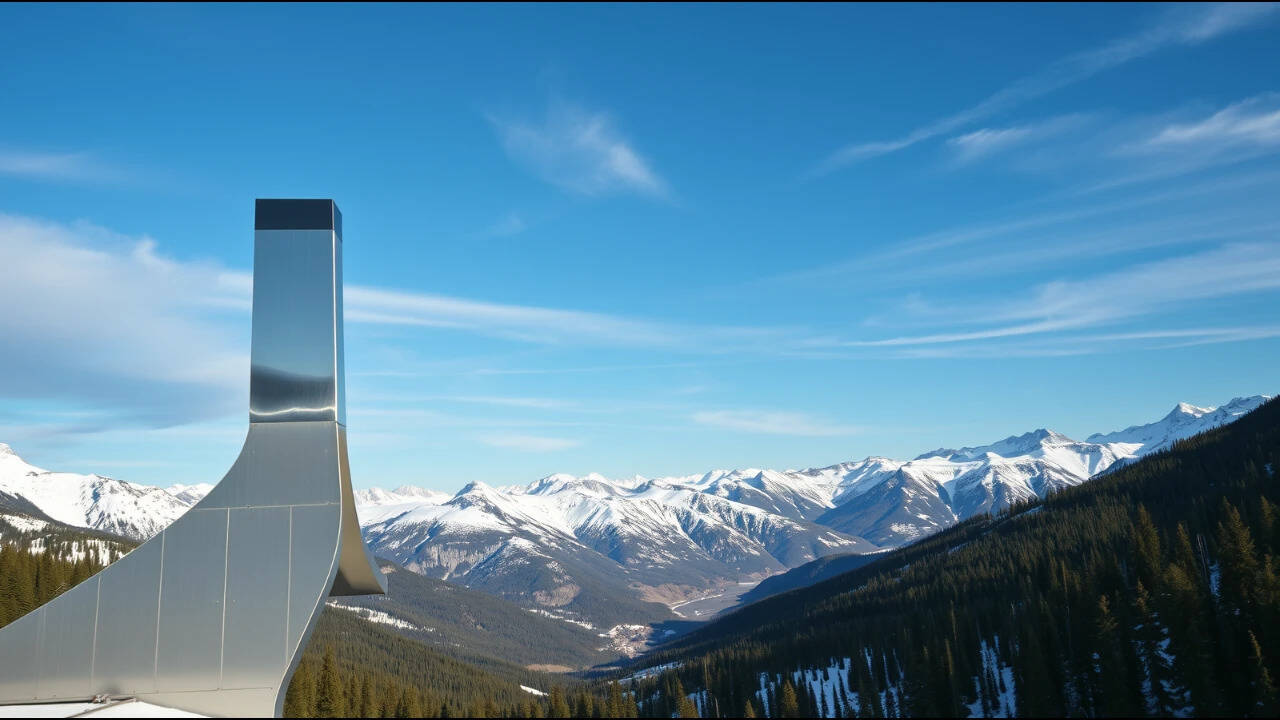
When California was selected to host the 1960 Winter Olympics at Squaw Valley, planners encountered an unexpected obstacle: a family unwilling to part with their land despite the Olympic committee's acquisition efforts. The property owners' steadfast refusal to sell became a significant hurdle as organizers mapped out venues and infrastructure for the prestigious international competition.
Olympic officials were forced to redesign portions of their development plans to accommodate the family's decision to retain their property rights. Rather than pursue lengthy legal battles or forced acquisitions, organizers opted for alternative solutions that allowed the Games to proceed while respecting the landowners' position.
The 1960 Winter Olympics ultimately took place successfully at Squaw Valley, with the venue becoming a landmark winter sports destination in California. The incident underscored the complex relationship between large-scale event planning and private property rights, highlighting how individual decisions can influence the logistics of hosting major international competitions.
The Games themselves were remembered for their successful organization and contribution to Olympic history, though the initial land acquisition challenges served as a reminder of the practical difficulties inherent in preparing host sites for events of such magnitude.