World · India Bureau
California habitat restoration brings back rare hawk species after three decades
A large-scale wetland restoration project in California has successfully attracted Swainson's hawks to nest for the first time in approximately 30 years, signalling a major conservation victory. The initiative has transformed degraded farmland into thriving wildlife habitat through extensive native plantings.
LSN India ·
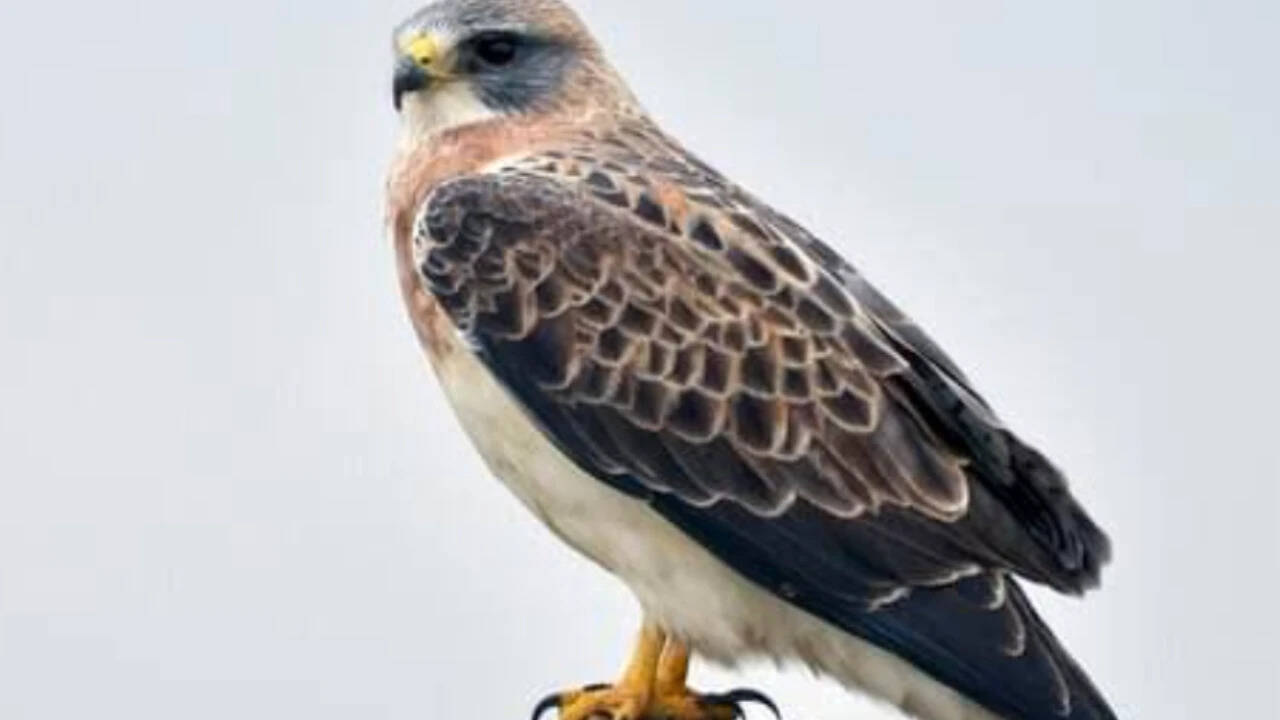
A floodplain restoration effort in Shasta County, California, has documented its first confirmed Swainson's hawk nesting in roughly three decades, marking a significant milestone for habitat recovery efforts in the region. The project, which commenced in 2023, has rehabilitated 150 acres of damaged land adjacent to the Sacramento River through the introduction of more than 32,000 native trees and plants.
The return of the Swainson's hawk, a species of conservation concern, represents tangible evidence of ecological restoration success. The raptor's reappearance demonstrates how systematic habitat reconstruction can reverse decades of environmental degradation and create conditions suitable for sensitive species recovery.
Beyond the hawk sightings, conservationists have documented breeding populations of rare indigo buntings at the restored site, further validating the project's conservation approach. These additional wildlife observations suggest the restored habitat is developing the ecological complexity necessary to support diverse bird species.
The initiative reflects growing recognition among land managers that abandoned or degraded agricultural areas can be reclaimed for wildlife conservation. By reintroducing native vegetation and restoring natural hydrological patterns, the project has effectively recreated ecological conditions that support species dependent on riparian and floodplain habitats.
Conservationists involved in the project view the early results as encouraging, though they emphasise that long-term monitoring will be essential to assess the sustainability of these wildlife populations and guide future restoration efforts in the region.