World · India Bureau
California river restoration swiftly attracts salmon to revitalized habitat
A restoration project on California's Lower Tuolumne River has demonstrated rapid ecological success, with salmon populations returning to newly constructed spawning grounds within days of completion. The initiative underscores the potential for swift environmental recovery through targeted habitat intervention.
LSN India ·
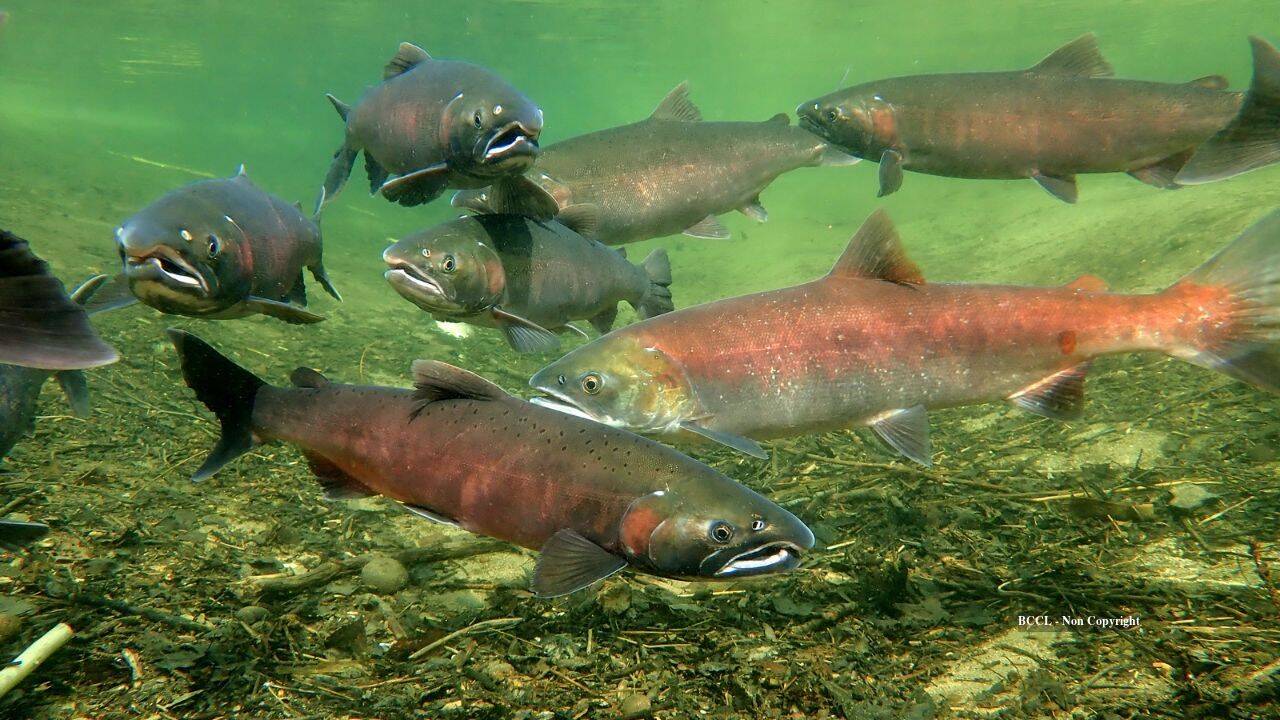
Restoration crews in California have completed a significant river rehabilitation project that is already yielding measurable results. The initiative focused on the Lower Tuolumne River, where workers introduced over 24,000 cubic yards of gravel and installed 80 boulders to reconstruct critical salmon spawning habitats. The materials were strategically positioned to enhance conditions for native fish populations and boost overall biodiversity in the waterway.
The project's design specifically targeted the physical requirements necessary for successful salmon reproduction. Gravel deposits provide ideal substrate for spawning, while the placement of boulders creates the varied flow patterns and shelter that salmon rely upon during their reproductive cycle. By recreating these essential conditions, restoration teams aimed to remove barriers to natural population recovery.
The project's success became evident almost immediately following completion. Salmon populations were observed returning to the newly restored sections within days, indicating strong ecological demand for improved habitat and the project's effectiveness in addressing critical spawning constraints. This rapid colonisation suggests the Lower Tuolumne River's salmon population has been limited by available spawning grounds rather than by other environmental factors.
The swift results from the Lower Tuolumne restoration effort provide a model for similar habitat recovery initiatives, demonstrating that strategic environmental intervention can produce rapid ecological gains. As salmon populations continue to face pressure from various stressors across Pacific coastal regions, such targeted habitat projects represent a viable conservation strategy for supporting species recovery.