World · India Bureau
California town submerged under lake for nearly seven decades
The former settlement of Monticello, California, vanished beneath the waters of Lake Berryessa in 1956 when a massive dam project flooded the region. Seven decades later, the ghost town's streets remain submerged, a testament to the environmental transformations wrought by mid-century infrastructure development.
LSN India ·
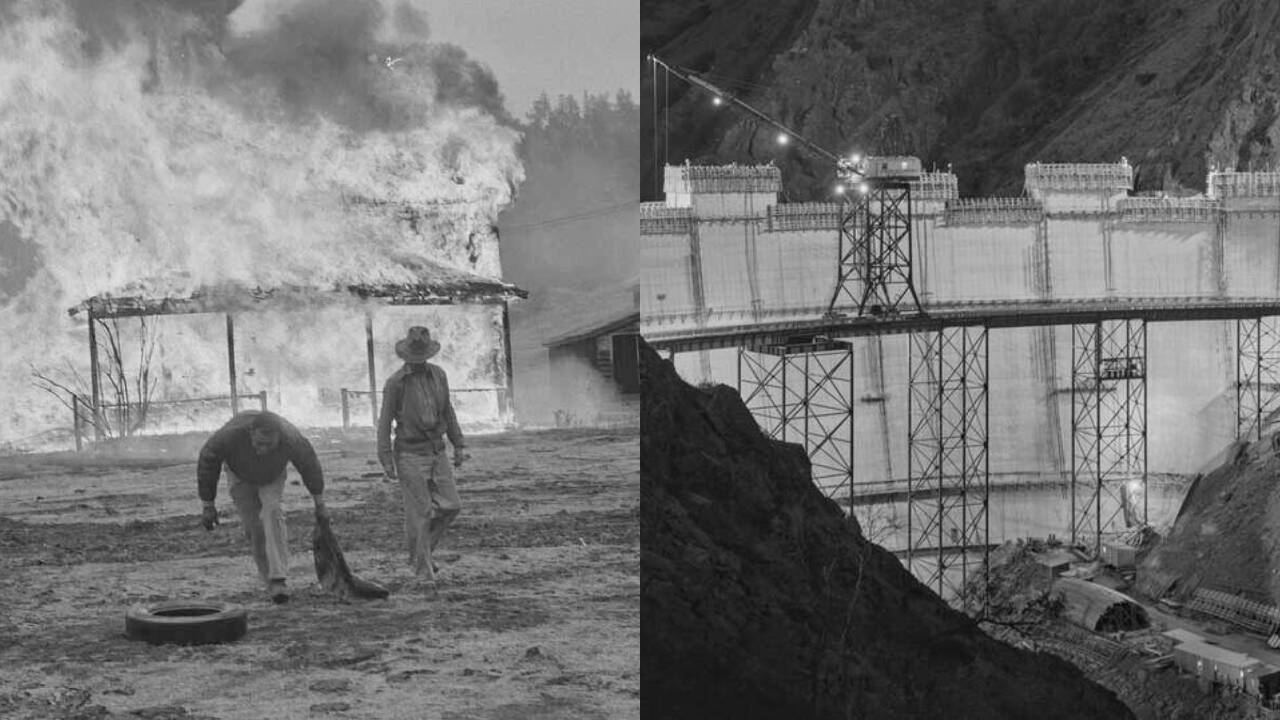
Monticello, once a functioning community in California's Napa County, ceased to exist as a inhabited settlement when the Monticello Dam was completed in 1956. The construction of the dam created Lake Berryessa, a sprawling reservoir that was designed to provide water storage and hydroelectric power to the region. The rising waters engulfed the town entirely, displacing residents and erasing decades of community life from the landscape.
Today, more than 65 years after the submersion, Monticello's streets, buildings, and infrastructure lie preserved beneath the lake's surface. The underwater ruins represent a significant piece of California's mid-20th century history, when large-scale water management projects fundamentally reshaped the state's geography and demographics. Such developments were pursued as crucial components of post-war modernization and resource management strategies.
The fate of Monticello reflects broader patterns across the American West, where numerous communities were sacrificed to dam projects that promised economic development and regional progress. While Lake Berryessa has served its intended purpose as a crucial water supply source, the submergence of Monticello remains a poignant reminder of the human and cultural costs associated with major infrastructure initiatives.
Occasionally, during periods of severe drought when water levels drop significantly, portions of Monticello's ruins become briefly visible, offering glimpses into the town's material past. These rare exposures attract historical enthusiasts and researchers interested in documenting the submerged settlement's architecture and layout. The ghost town has become an informal archaeological site, preserving evidence of early-to-mid 20th century American settlement patterns.