Politics · World News Bureau
Calls intensify for British apology and reparations over colonial legacy
While British leadership signals openness to a formal apology for historical wrongs, activists argue that debt restructuring alone falls short of meaningful accountability and compensation for affected nations.
LSN World News ·
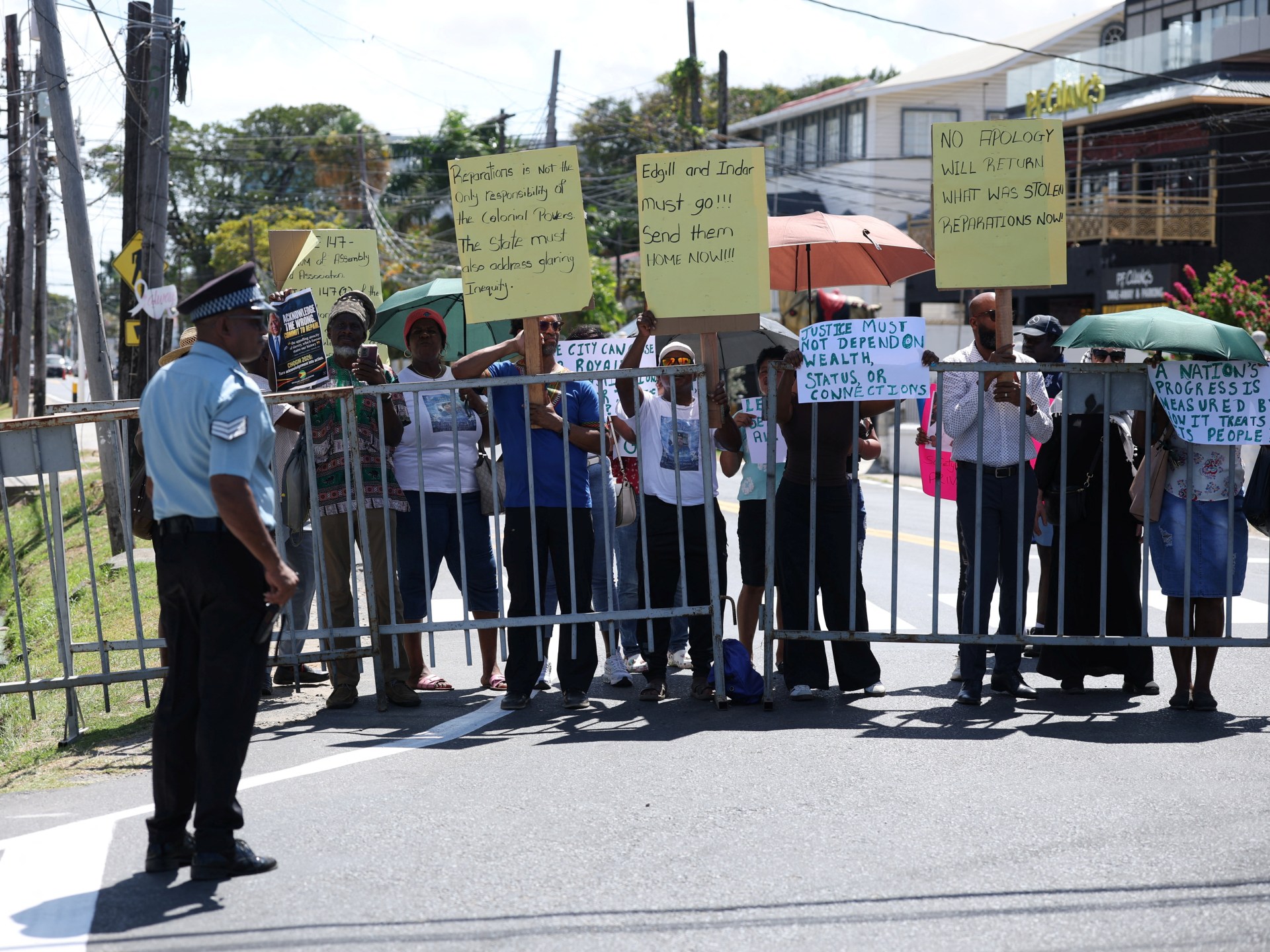
Growing pressure on the British government to address its colonial past has prompted renewed debate over the form that official redress should take. Recent statements from senior political figures indicating willingness to apologize represent a shift in tone, yet critics contend that rhetorical gestures remain insufficient without concrete financial remedies.
Advocates for reparations argue that restructuring colonial-era debts, while a step forward, does not adequately address the lasting economic and social damage inflicted during centuries of imperial rule across South and Southeast Asia. They maintain that a comprehensive approach must include direct compensation alongside formal acknowledgment of historical injustices.
The discussion reflects broader global conversations about how nations should reckon with colonial legacies. Proponents of reparations point to documented economic extraction, institutional disruption, and generational harm as justification for tangible financial restitution rather than debt relief mechanisms alone.
As momentum builds for more substantive action, the debate centers on what accountability truly requires. Observers note that the British government's evolving position suggests political space may exist for negotiations, though determining appropriate forms and amounts of compensation remains contested among stakeholders and policymakers.