Business · Singapore Bureau
Cambodia's 'Waiting Village' struggles nine months after border ceasefire
Thousands of families displaced by fighting along the Cambodia-Thailand border remain in a sprawling resettlement site, unable to return home despite a ceasefire agreement. The temporary settlement has become a symbol of the slow pace of post-conflict recovery in the region.
LSN Singapore ·
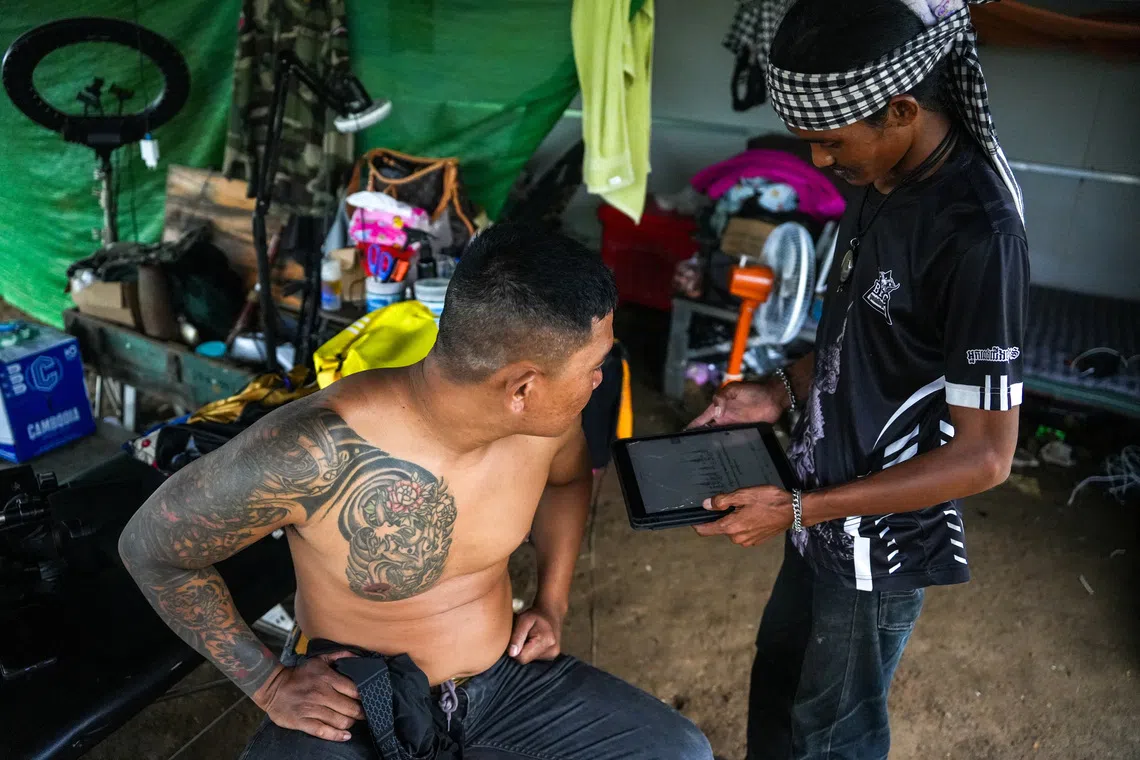
RONG CHAM, Cambodia — More than 3,000 houses arranged in orderly rows stretch across a 400-hectare resettlement site in Rong Cham, which residents have come to call 'the Waiting Village'. The settlement was established to house families who fled violence along the Cambodia-Thailand border, yet nine months after a ceasefire took effect, many remain unable to return to their homes.
The temporary relocation has tested the patience of displaced communities who expected a swift return to normalcy. The orderly layout of the settlement, while functional, underscores the provisional nature of accommodations that were never intended to become long-term homes. Residents continue to navigate the uncertainties of post-conflict reconstruction, awaiting signals that conditions are safe enough for repatriation.
The situation reflects broader challenges facing border regions in Southeast Asia, where ceasefire agreements do not always translate immediately into the restoration of civilian life. Local livelihoods and cultural practices have been disrupted by the displacement, with traditional trades and occupations left behind in conflict-affected areas. As weeks turn into months, the distinction between temporary refuge and permanent limbo grows increasingly blurred for those sheltering in Rong Cham.