World · World News Bureau
Cambodian farmers' rice fields become haven for endangered cranes
Agricultural communities in Cambodia are playing an unexpected role in wildlife conservation, with rice paddies serving as critical habitat for threatened crane populations. The initiative demonstrates how farming practices can be adapted to support endangered species without compromising livelihoods.
LSN World News ·
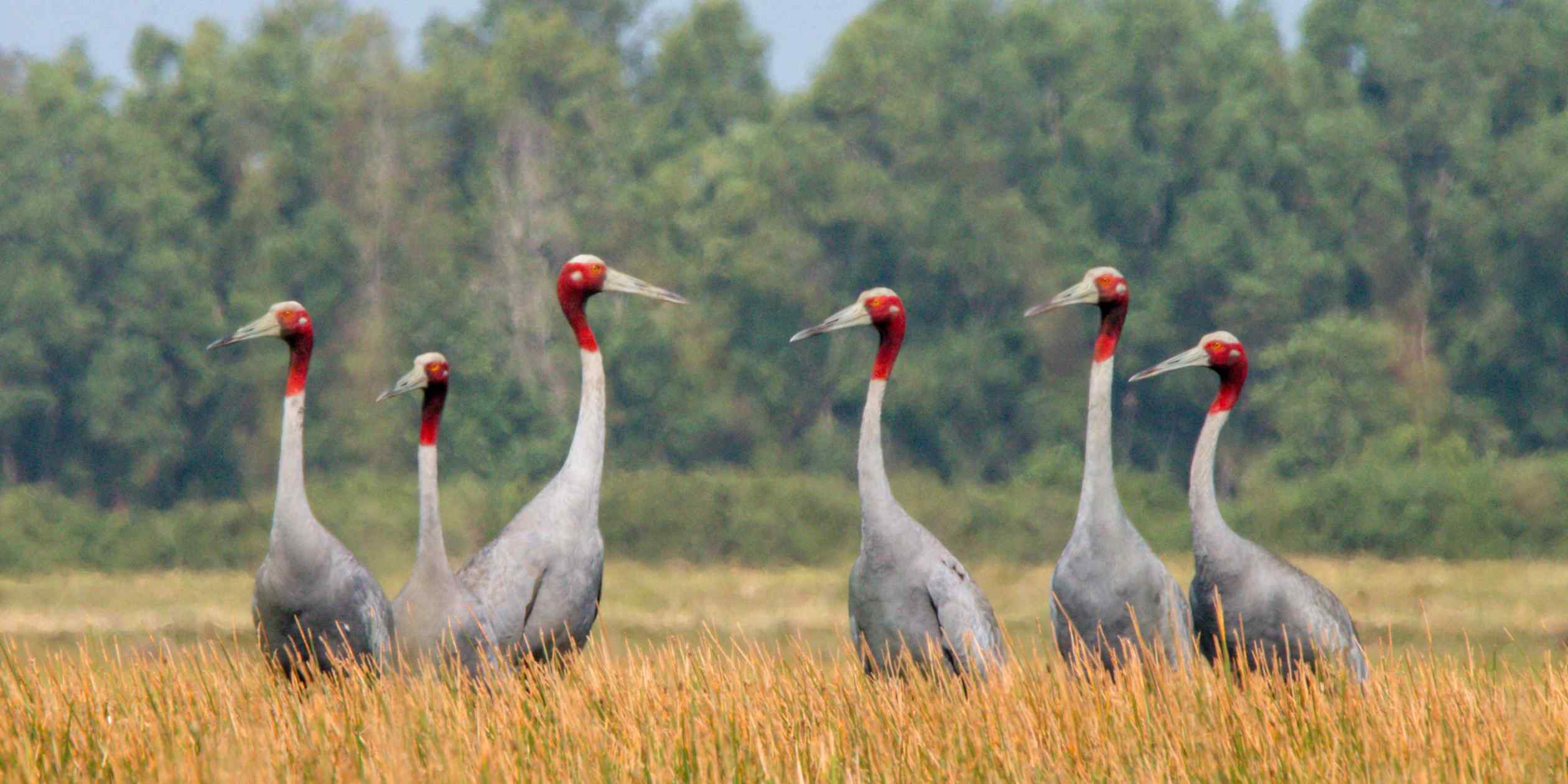
Rice-growing regions across Cambodia have emerged as vital sanctuaries for several crane species facing declining populations across Asia. Local farmers have begun implementing conservation-friendly agricultural methods that allow the birds to forage and nest in cultivated areas, creating a symbiotic relationship between farming and wildlife protection.
The Cambodian wetlands, traditionally used for rice cultivation, provide essential feeding and breeding grounds for multiple crane species, including the critically endangered Bengal florican and the vulnerable sarus crane. As wetland habitats elsewhere in the region have been drained or developed, these agricultural landscapes have gained increasing importance for crane survival.
Farmers participating in conservation programs modify their harvesting schedules and water management practices to minimize disturbance during breeding seasons. These adjustments, often supported by environmental organizations and government agencies, allow crane populations to thrive while maintaining productive rice yields for local communities.
Conservationists view the collaboration between farmers and wildlife protectors as a model for sustainable land use in Southeast Asia. By recognizing the economic value of preserving natural habitats within agricultural areas, communities demonstrate that development and species conservation need not be mutually exclusive, offering lessons for other regions confronting similar wildlife challenges.