World · India Bureau
Camera study reveals insights into snake skin-shedding patterns
Researchers using remote camera technology have documented the skin-shedding behaviour of gray ratsnakes in Mississippi, offering new scientific understanding of reptile physiology and ecology.
LSN India ·
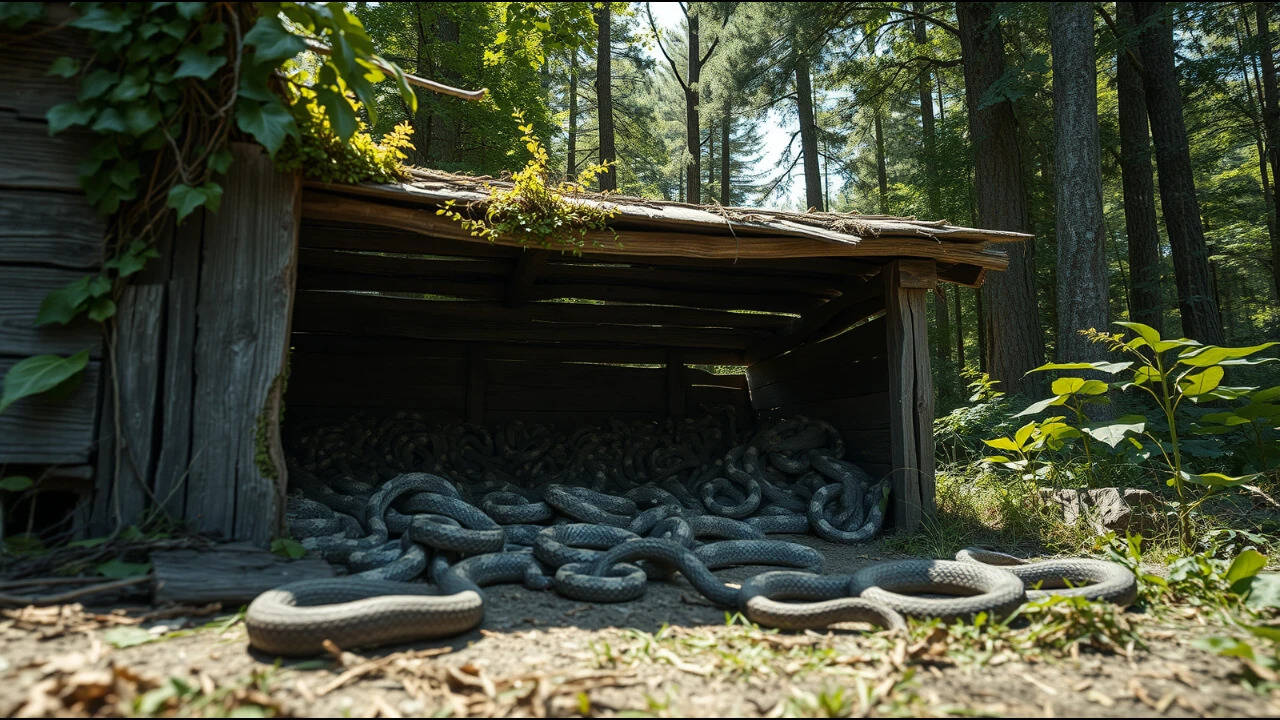
A research initiative employing wildlife camera traps in Mississippi has yielded detailed observations of gray ratsnakes during their natural skin-shedding cycles, expanding scientific knowledge of ophidian biology.
The study focused on monitoring snakes in their natural habitat using strategically positioned cameras, allowing researchers to document behavioral patterns associated with ecdysis—the process by which snakes periodically shed their outer skin layer. This non-invasive observation method provided insights that would be difficult to obtain through traditional field study techniques.
Gray ratsnakes, common across the southeastern United States, undergo regular skin shedding as they grow and maintain their epidermis. The camera-based research approach enabled scientists to record timing, frequency, and environmental correlates of this crucial biological process without disturbing the animals in their natural environment.
The findings contribute to broader understanding of reptile physiology and may have implications for wildlife management and conservation efforts in the region. Camera-trap technology continues to prove valuable for behavioral research on elusive species, offering researchers opportunities to gather data over extended periods with minimal human interference.
Experts suggest that such non-invasive monitoring methods could be applied to studying other reptile species and their ecological interactions, potentially improving conservation strategies for vulnerable populations.