World · World News Bureau
Cameroon's Power Vacuum Deepens as Biya's Extended Absences Fuel Speculation
President Paul Biya's prolonged withdrawals from public view have intensified questions about the real seat of power in Cameroon and raised concerns about succession planning. Government insiders and observers are increasingly uncertain about decision-making authority as the aging leader remains out of sight.
LSN World News ·
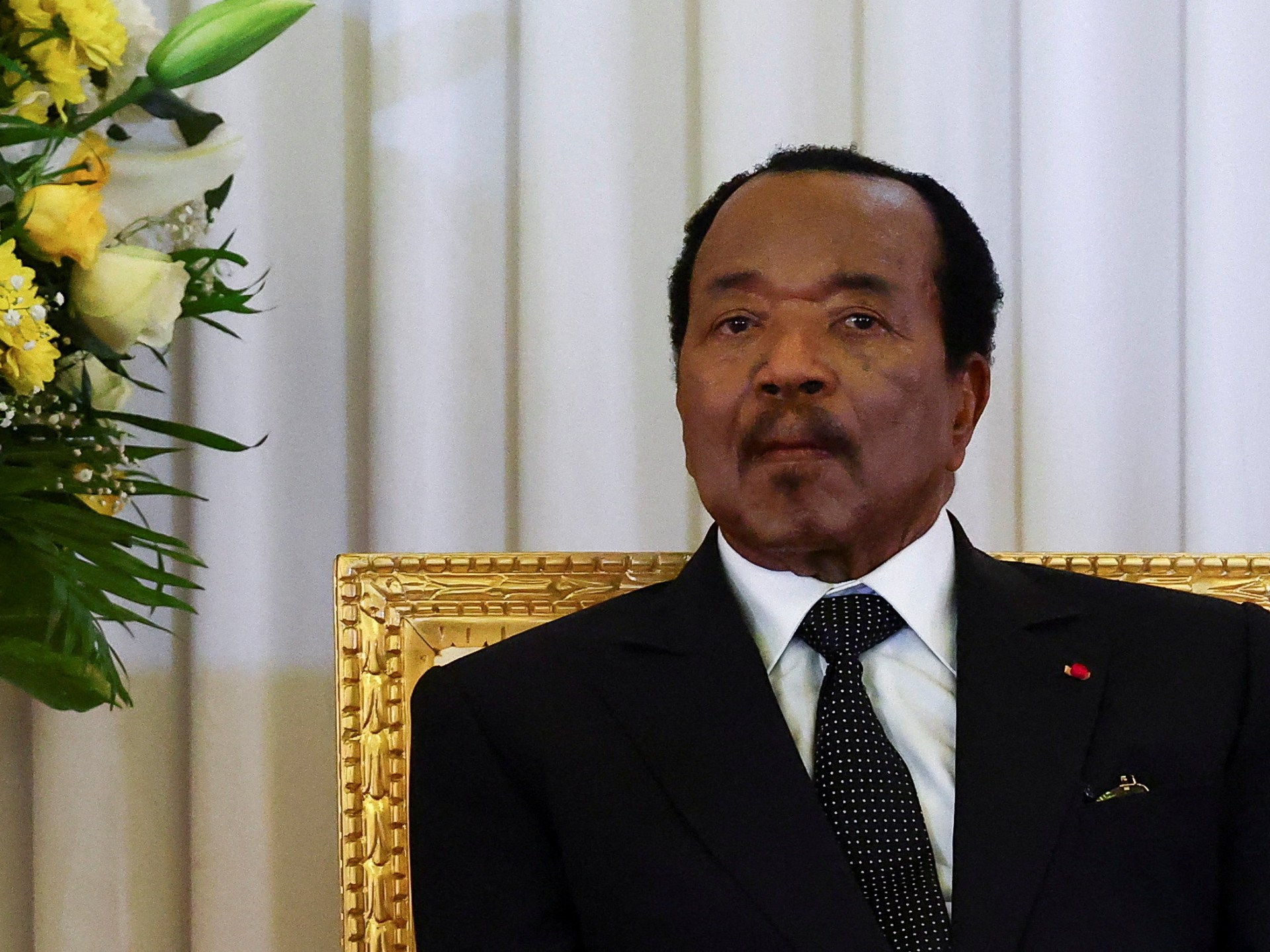
Cameroon is grappling with growing uncertainty over its actual power structure as President Paul Biya's extended absences from the capital have left a leadership void and spawned speculation about who is effectively governing the Central African nation.
Biya, who has ruled Cameroon since 1982, has been notably absent from major state functions and public appearances in recent months, spending significant time abroad. His rare communications and limited visibility have forced senior officials, diplomatic observers, and the political establishment to navigate governance without clear direction from the head of state.
The power vacuum has intensified questions about whether authority is being exercised by Prime Minister Dion Ngute, senior ministers, or members of Biya's inner circle. Analysts note that the constitutional succession pathway remains ambiguous, with no formal mechanism established for managing extended periods of presidential incapacity. This lack of clarity has created pockets of decision-making scattered across government institutions.
The situation underscores broader concerns about institutional fragility in Cameroon, where personalized governance has long centered on the presidency. Observers warn that prolonged uncertainty about leadership could complicate responses to ongoing security challenges, particularly in the Northwest and Southwest regions where separatist violence persists.
Government officials have offered no formal explanation for Biya's absences, maintaining that state business continues normally. Nevertheless, regional analysts contend that Cameroon's political trajectory—and the question of succession—cannot remain indefinitely unaddressed as questions mount about the president's engagement with governance.