Politics · World News Bureau
Campaign financing debate: Does money distort US electoral democracy?
Political experts weigh competing arguments over the role of wealthy donors and corporate funding in American elections, as concerns mount about influence and representation.
LSN World News ·
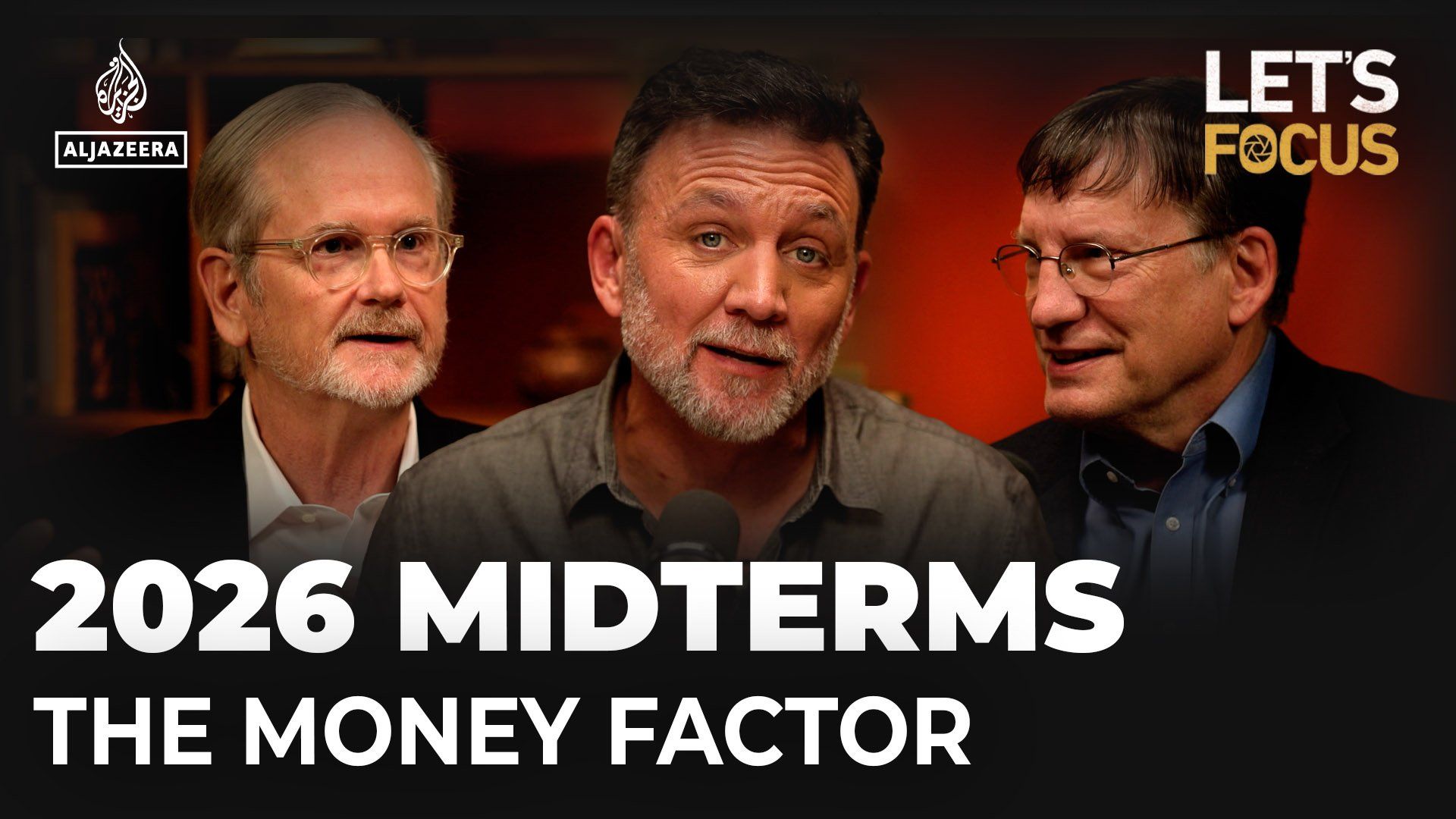
The relationship between campaign funding and electoral outcomes remains one of the most contentious issues in American politics, with scholars and analysts sharply divided on whether money fundamentally corrupts the democratic process.
Proponents of campaign finance reform argue that the influx of large donations from wealthy individuals and corporations creates a system where elected officials become disproportionately responsive to elite interests rather than ordinary constituents. They contend that substantial sums spent on political campaigns grant donors outsized influence over policy decisions, effectively allowing money to function as a form of political power that undermines the principle of equal representation.
Opponents counter that campaign spending is a form of political speech protected by constitutional principles, and that restricting donations could limit legitimate forms of civic engagement. They argue that many other factors—including party affiliation, voter preferences, and media coverage—significantly influence electoral outcomes beyond financial considerations.
The debate reflects broader concerns about the accessibility and fairness of American democracy. As campaign costs continue to rise with each election cycle, lawmakers and voters increasingly grapple with whether current financing mechanisms serve the broader public interest or predominantly benefit those with substantial financial resources.