Culture & Entertainment · India Bureau
Can BRICS Reshape Global Order or Remain a Loose Coalition?
A new examination of the BRICS bloc questions whether the grouping of emerging economies can genuinely drive a shift toward multipolarity or remains a collection of divergent interests. The question comes as the coalition faces scrutiny over its cohesion and impact on global affairs.
LSN India ·
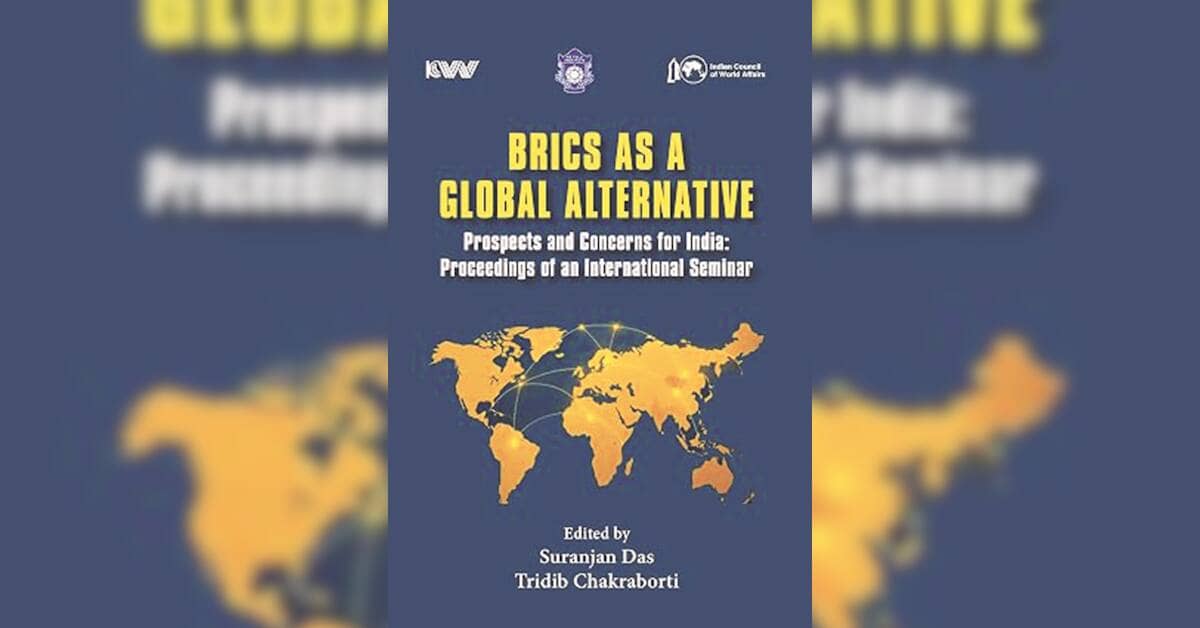
The BRICS grouping—comprising Brazil, Russia, India, China, and South Africa—has long been positioned as a counterweight to Western-dominated international institutions. Yet fundamental questions persist about whether this coalition of developing nations represents a genuine non-Western alternative or functions primarily as an anti-Western bloc with limited substantive unity.
Key among these questions is whether BRICS can effectively coordinate policy across vastly different geographies, economic systems, and strategic interests. While member nations share a common interest in challenging traditional power structures, their domestic priorities and regional concerns often diverge significantly. India's approach to development differs markedly from Brazil's, while China's regional ambitions create friction with other members.
Proponents argue that BRICS has already achieved notable milestones, including the establishment of the New Development Bank as an alternative to Western-controlled financial institutions. The bloc has also expanded its membership and influence in multilateral forums. However, critics contend that such achievements remain incremental compared to the structural transformation needed to genuinely reshape the international order.
The distinction between being non-Western and anti-Western proves crucial to understanding BRICS' trajectory. A non-Western coalition focused on inclusive development and reformed global governance differs substantially from one defined primarily by opposition to Western dominance. This fundamental question continues to shape debates over the bloc's future relevance and capacity for meaningful impact on global affairs.